Explainer
Do Supplement Patches Actually Work?
Vitamin patches are booming, but there is little proof that vitamins can cross the skin in meaningful amounts, and the FDA does not classify them as supplements.
Published
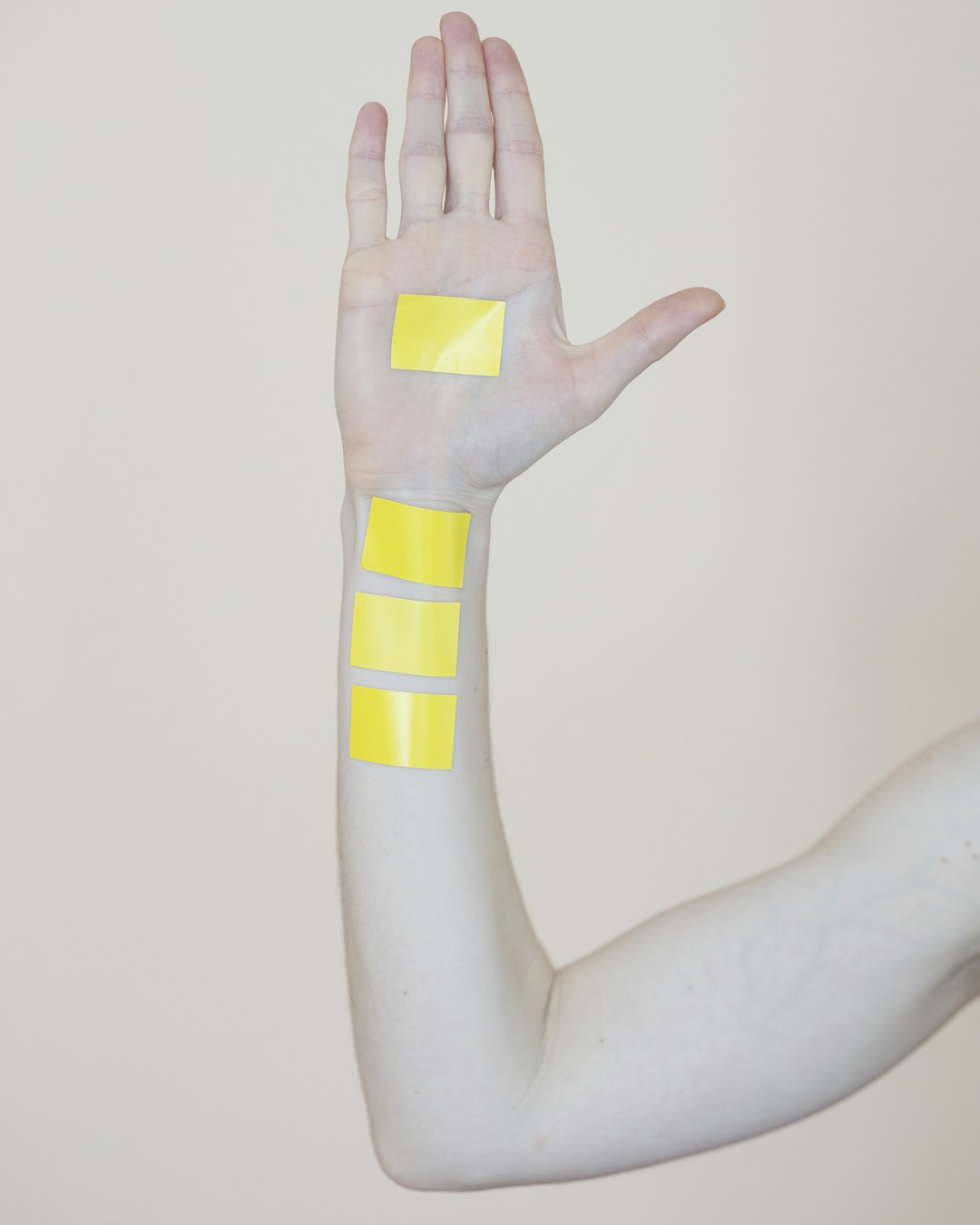
Stick-on vitamin patches now line pharmacy shelves and Instagram ads, promising the convenience of a nicotine patch for nutrients like B12, D and biotin. The market is expanding fast: one industry report from Research and Markets valued global vitamin patch sales at $206.75 million in 2024, projecting growth to $532.1 million by 2030. But the biology behind the marketing has not caught up with the sales figures.
Skin is built to keep substances out, not let them in, and that barrier does not treat all nutrients equally. According to Get the Gloss, fat-soluble vitamins such as A, D, E and K have some theoretical potential for transdermal delivery because they can dissolve into the skin's lipid layers, while water-soluble vitamins, including much of the B complex and vitamin C, are far less likely to pass through. Some manufacturers add penetration enhancers to help ingredients along, but as the outlet notes, "there is insufficient evidence to show how much of the vitamin is actually absorbed."
The clinical research that does exist is thin and often comes from unusual populations. A pilot study of gastric bypass patients, published in the journal and cataloged on PubMed Central, compared oral supplements to transdermal patches and found that vitamin D and B6 deficiencies were common among patch users, though median blood levels of both nutrients did increase over time. The study's authors concluded plainly that "additional studies, including randomized controlled trials, are required to determine" whether the product, made by PatchMD, actually works. A separate trial cited in a companion review found that iron delivered via patch performed worse than oral iron supplements, though it caused fewer side effects.
A broader review in the same journal series, titled "Peeking into the future: Transdermal patches for the delivery of micronutrient supplements," summed up the state of the science bluntly: the approach "seems promising," but "limited evidence exists for its efficacy in human" subjects. Parkview Health, a hospital system that has examined the trend for bariatric surgery patients, reached a similar verdict, warning that evidence is especially sparse for people who have had weight loss surgery and often rely on supplementation to avoid serious deficiencies.
Regulatory scrutiny has already caught up with some patch marketing. In 2004, the Federal Trade Commission settled with makers of a seaweed-based weight-loss patch called "Peel Away the Pounds," saying the company falsely claimed the product caused three to five pounds of weight loss per week and had been approved by the FDA. ProCare Health, a supplement retailer, notes that the FDA does not classify vitamin patches as supplements at all, does not approve them, and considers many current marketing claims about them unsubstantiated.
None of that has slowed the industry. PatchMD, the company behind the bariatric study's product, announced this year it had been named the world's top vitamin patch brand, citing survey data that it says shows more than half of supplement users are shifting away from pills toward patches for convenience. A market analysis from Global Growth Insights found that even among current patch users, roughly 3 percent cite a lack of clinical validation as a drawback, compared with nearly 19 percent who complain of skin irritation and over 15 percent who cite high cost. For now, the biggest documented effect of a vitamin patch may be on the skin underneath it.
