In Brief
Does 'Ferritin Face' Mean You Have an Iron Deficiency? Here's How to Tell.
A TikTok term for a tired, pale face has people self-diagnosing low iron, but ferritin alone can mask true deficiency and the numbers doctors argue over are still shifting.
Published
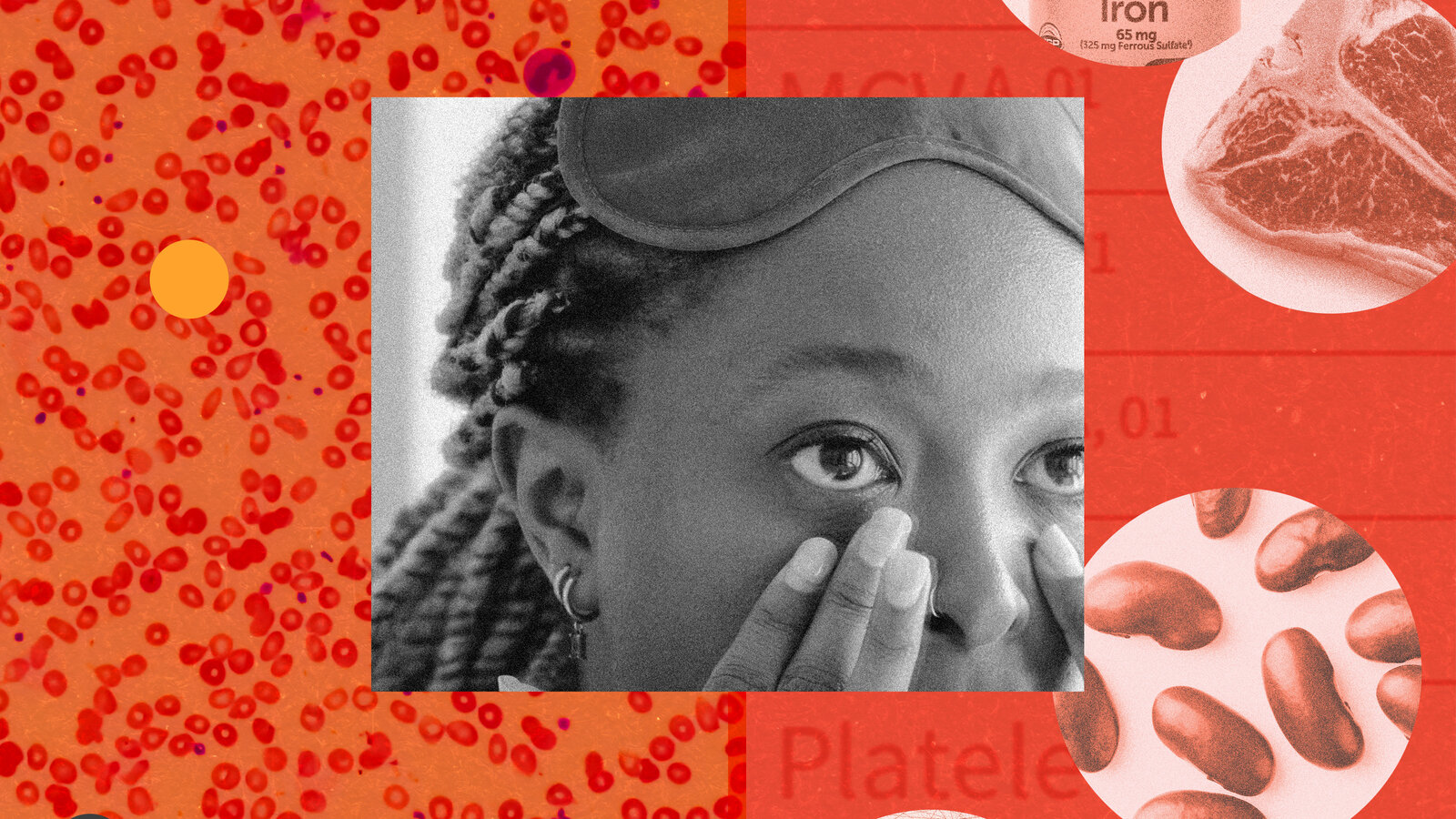
A cluster of facial cues, grey or washed-out skin, dark circles, chapped lips, thinning hair, has been circulating on TikTok under the label "ferritin face," with users treating it as a visible tell for low iron. The term isn't a clinical diagnosis. It's a lay shorthand that has pulled a real and often-missed condition, iron deficiency, into a beauty-adjacent trend cycle, which is exactly the kind of claim worth grading before anyone reaches for a supplement bottle.
The physiological logic isn't baseless. Reduced hemoglobin can make skin look paler and thin enough that underlying blood vessels show through more, which is one proposed explanation for under-eye darkness. But doctors quoted in reporting on the trend, including physicians at Northwell Health, have repeatedly cautioned that these signs are nonspecific. Poor sleep, allergies, genetics and ordinary aging produce the same look, so a face alone can't stand in for a diagnosis.
The bigger problem is the test people reach for. Ferritin is an acute-phase reactant, meaning it rises with inflammation or infection, so someone can be genuinely iron deficient while a ferritin reading comes back normal or even high. Research summarized in Blood Advances and in the American Society of Hematology's education program has flagged this masking effect as a core reason single-number ferritin checks, whether from a home test or a routine panel, are unreliable on their own. A proper workup typically adds a full blood count, transferrin saturation below 20 percent as a supporting marker, and sometimes a CRP test to rule out inflammation skewing the ferritin number.
Even the definition of "deficient" is unsettled. The World Health Organization has long used a ferritin cutoff of 15 micrograms per liter in adults, but many hematologists now treat 30 nanograms per milliliter as the more practical threshold for iron deficiency without anemia, and that bar gets pushed up toward 70 to 100 micrograms per liter in patients with active inflammation. A 2024 study in JAMA Network Open, drawing on the HEIRS cohort of nearly 63,000 women in the United States and Canada, found that prevalence estimates for iron deficiency shifted substantially depending on which of three accepted definitions was applied, and the authors framed the choice of cutoff as a matter of health equity rather than just lab semantics.
That instability matters for the widely repeated statistic that close to a third of adults are iron deficient. A separate 2024 analysis of federal health survey data found about 14 percent of U.S. adults met criteria for absolute iron deficiency and another 15 percent for the functional kind, numbers that land in the same neighborhood but aren't identical, and that depend on where the line is drawn. Iron deficiency without anemia in particular is easy for a standard blood count to miss, since hemoglobin can look normal even as iron stores run low, which is part of why researchers describe it as underdiagnosed rather than simply undiagnosed.
The people actually at elevated risk are a specific group: menstruating women, pregnant people, vegans and vegetarians, endurance athletes, frequent blood donors, and anyone with a gastrointestinal condition like celiac disease or inflammatory bowel disease that interferes with absorption. A face-based trend that treats iron deficiency as something anyone might spot in a mirror tends to flatten that demographic pattern into a generic look.
There's also a risk on the other side of the trend that gets less attention than the underdiagnosis story. The body has no efficient mechanism for excreting excess iron, and case reports collected in the medical literature describe secondary iron overload, with damage to the liver, heart and pancreas, in people who supplemented heavily without medical supervision. A TikTok symptom checklist is a reasonable prompt to ask a doctor for bloodwork. It's a poor basis for self-treating with iron pills, given that too much of it carries its own documented harm.
