Health
Health and wellness claims adjacent to beauty are reported with their evidence grade, their limits, and the conditions under which they were studied.
34
-

Magnesium for Period Pain: What the Cochrane Evidence Actually Says
A widely shared claim calls magnesium a validated, risk-free fix for period pain, but the key Cochrane review (2016, 27 trials, 3,101 women) found only low-quality evidence and flagged safety gaps.
-
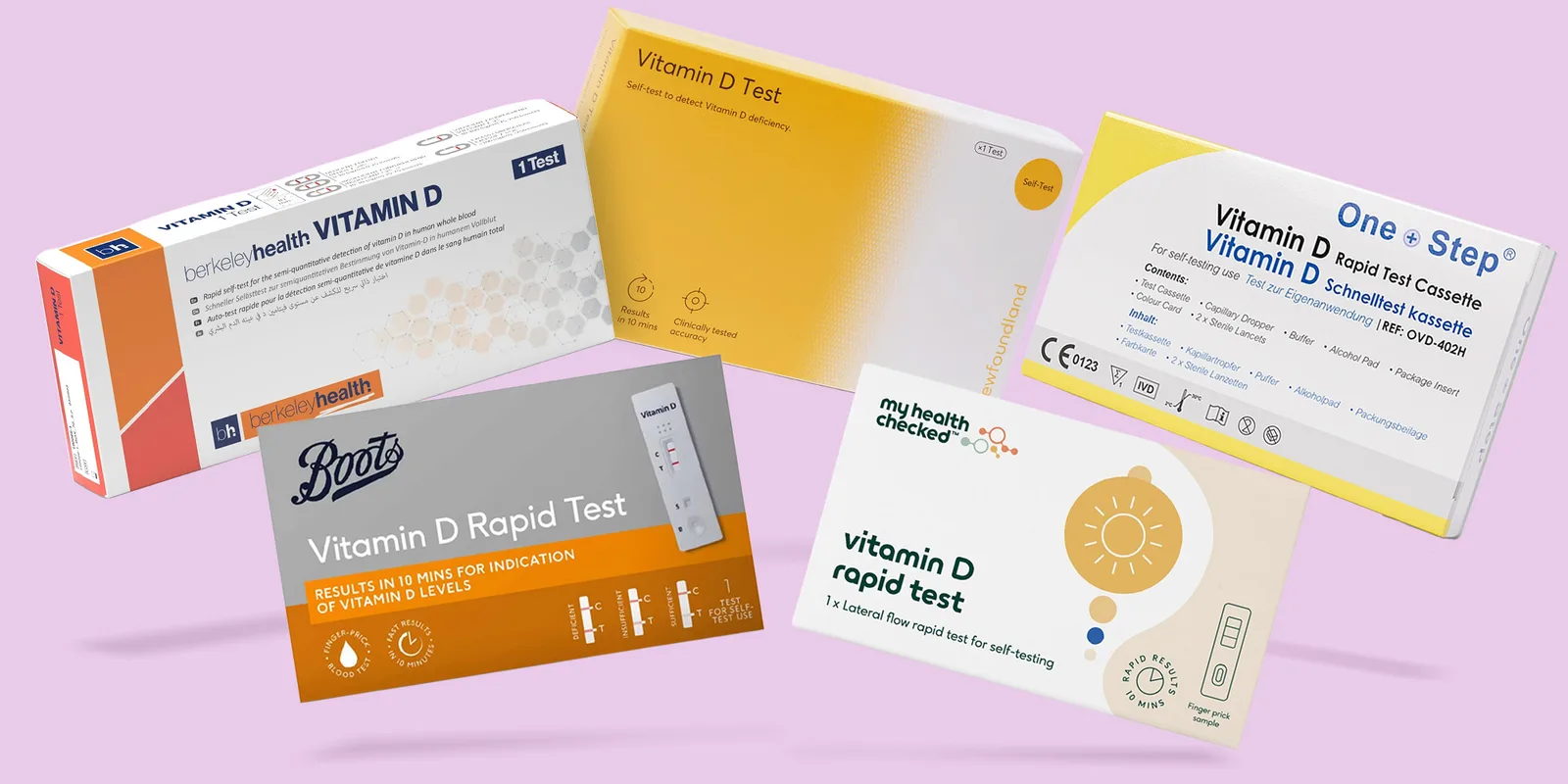
Five vitamin D self-test kits, one blood sample, four different verdicts
Which? ran five Boots, Amazon and supermarket vitamin D finger-prick kits against a lab blood test on the same person and got four different verdicts, including two contradictory results from kits made by the same manufacturer.
-

Sleep Under Six Hours and Lose Less Fat? What the Evidence Actually Shows
A 2010 trial of 10 adults found dieters who slept 5.5 hours lost far less fat and more muscle than those sleeping 8.5 hours. Newer, larger studies point to a different mechanism and complicate the headline number.
-

Vitamin D Overdose Risk: What Anses Actually Found About Stacking Supplements and Hypercalcemia
Anses has long warned that combining prescribed vitamin D with drops, ampoules or multivitamins can push intake into hypercalcemia range, especially in infants. Here is what the agency's data shows, and where it stops at the evidence it has.
-

The "Light a Candle When You Get Home" Trend: What the Science Actually Shows
A viral habit of lighting a candle or room spray at the door, used as a cue to leave work mode, rests on real detachment research. The specific claim that scent lowers cortisol on contact is thinner than headlines suggest.
-
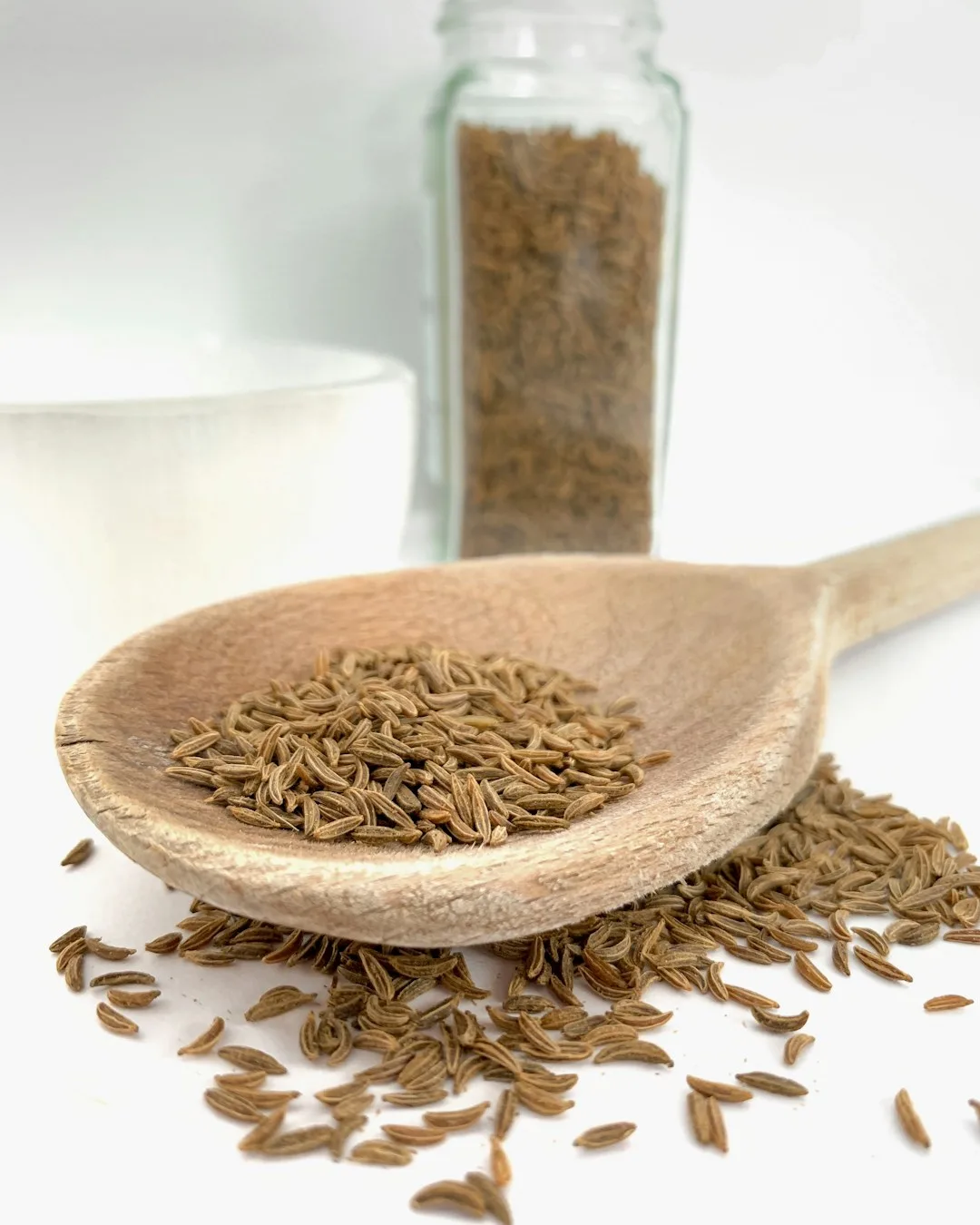
Butyrate Is Sold as a Gut Health Fix. The Human Evidence Is Still a Pilot Study.
Butyrate supplements promise to link gut health and metabolism, but the human trials behind the claim are small, mixed, and show the biggest benefit in people who are already healthy.
-

The One-Minute Japanese Stretch Trend: What the Science Actually Supports
A one-minute daily stretching routine is said to tone and slim, but the "slimming" part relies on spot reduction, a mechanism exercise science has repeatedly found doesn't work.
-
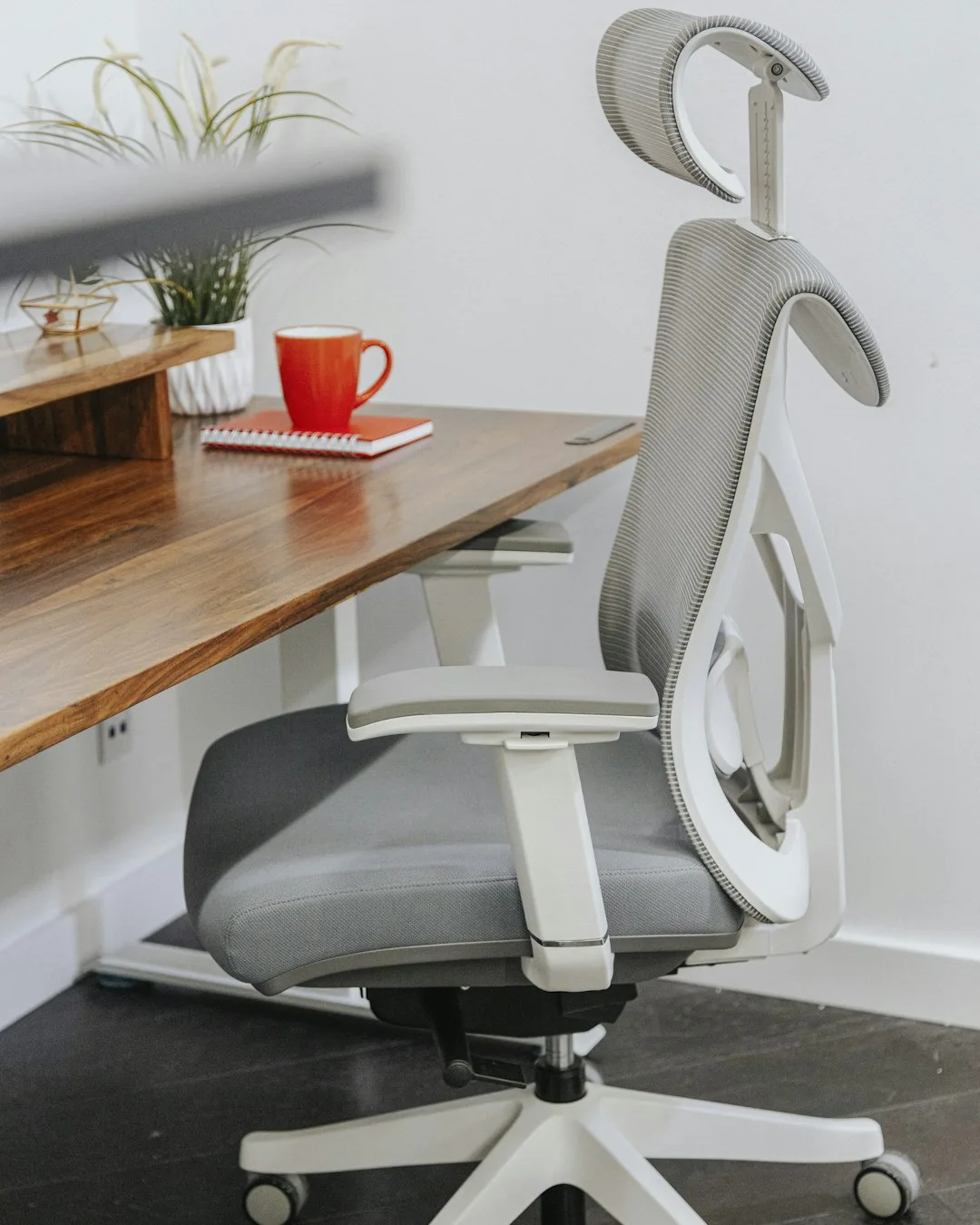
"Dead Butt Syndrome" Is Trending Again. Here's What the Research Actually Shows
"Dead butt syndrome" describes a real muscle-inhibition process from sitting, but the name itself has almost no footing in peer-reviewed literature. Here is what the evidence actually supports, and what it does not.
-
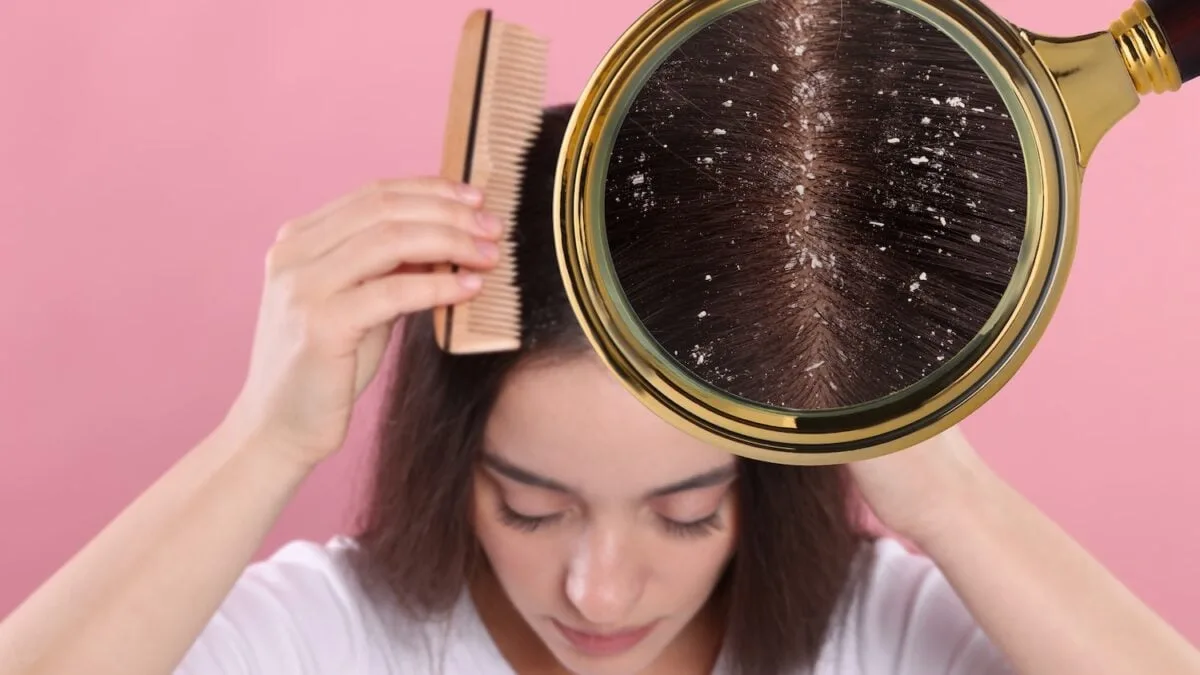
Why Washing Your Hair Less Often Will Not Fix Dandruff
Spacing out shampoos to calm dandruff often backfires: French dermatology guidance says the fix is the right active shampoo on a tapering schedule, not simply washing less.
-
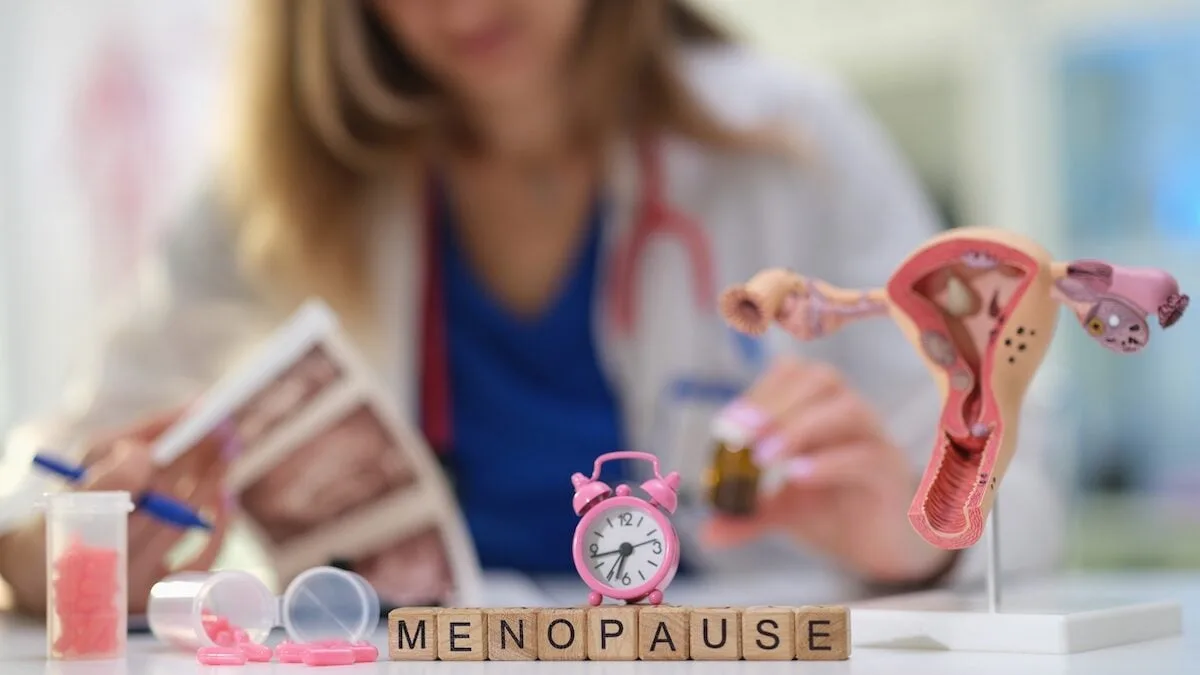
The "84%" Menopause Statistic Is the Top of a Range, Not a Settled Number
The widely cited claim that genitourinary syndrome of menopause affects 84% of women comes from the top of a 13-87% evidence range, not a settled rate, and under-diagnosis, not prevalence, is the better-documented problem.
-
Tim Spector Says Exercise Doesn't Cause Weight Loss. The Study Behind That Claim Is Still Being Argued Over
Tim Spector's viral claim that "exercise doesn't help you lose weight" rests on one contested 2016 Hadza hunter-gatherer study, not on "all the studies," and newer trials and official UK guidance push back.
-
New Menopause Guidelines Give Hormone Therapy Its Strongest Endorsement Yet. The Fine Print Still Matters.
ACOG's first full menopause guideline since 2014 "strongly recommends" hormone therapy for hot flashes and sleep loss, but the evidence behind that grade still comes with age limits and a breast cancer caveat.
-

Why "3 sunscreens that actually prevent spots after 50" oversimplifies a messier science story
Facial spots after 50 are often melasma driven by hormones and visible light, not plain sun damage, so "the" sunscreen that works depends on iron oxide content labels rarely disclose.
-
The Best Vitamin B12 Food Sources, and the Medication Risk Most Rankings Skip
Liver and shellfish top the B12 charts, but food tables disagree wildly on the numbers, and the real risk for many people comes from metformin or age, not diet.
-
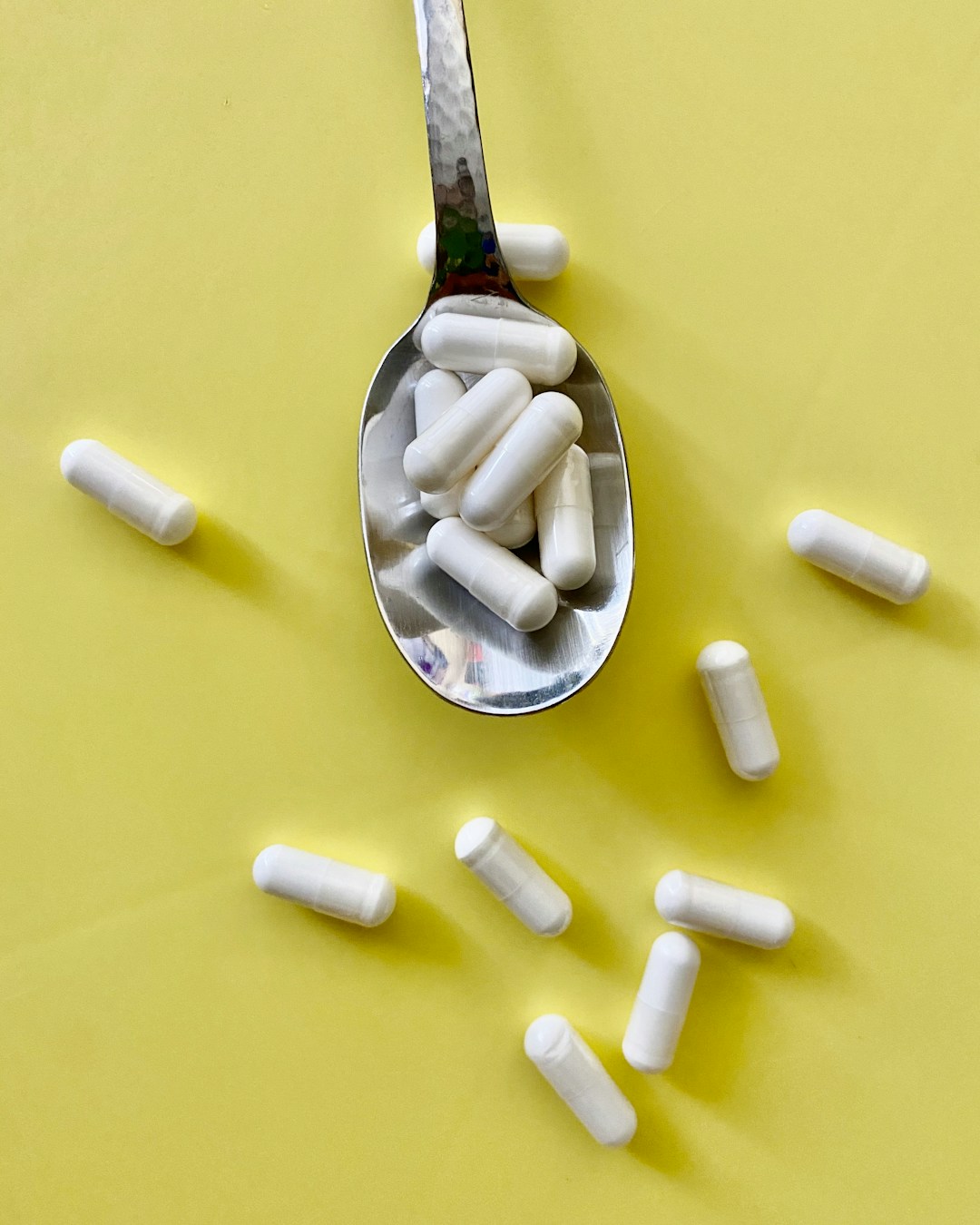
Can a Fish Oil Pill Really Calm Anger? What the Omega-3 Aggression Study Actually Shows
A meta-analysis of 29 trials found omega-3 supplements modestly reduced aggression in children and adults, but the widely shared "up to 28%" figure overstates what is a small-to-medium effect.
-
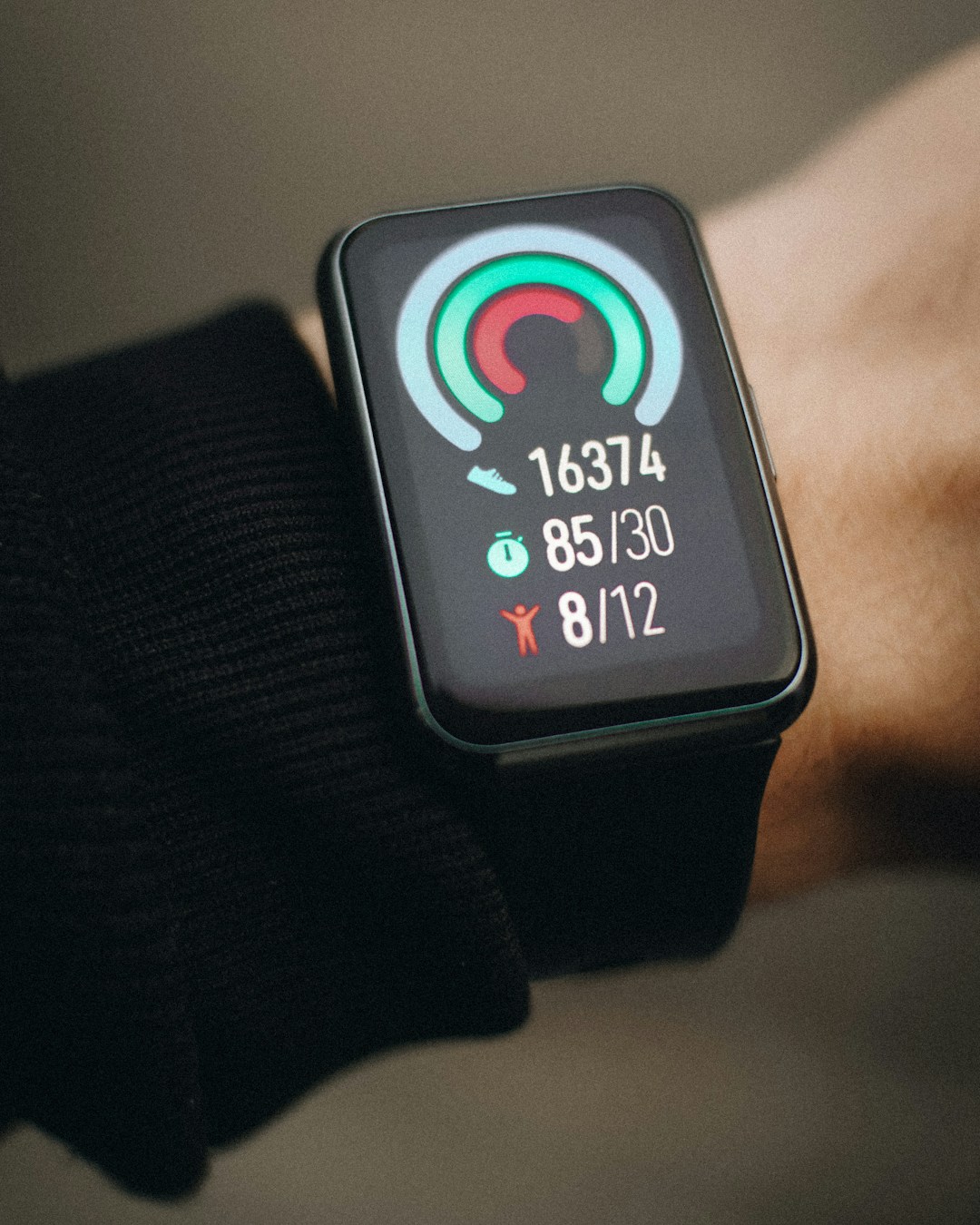
Can Health Trackers Help You Manage Menopause Symptoms?
Oura, Apple and Whoop all added menopause tracking in 2026, but no major wearable brand has published a clinical trial validating its sensors for perimenopause, and Apple's temperature sensor still can't detect hot flashes on its own.
-
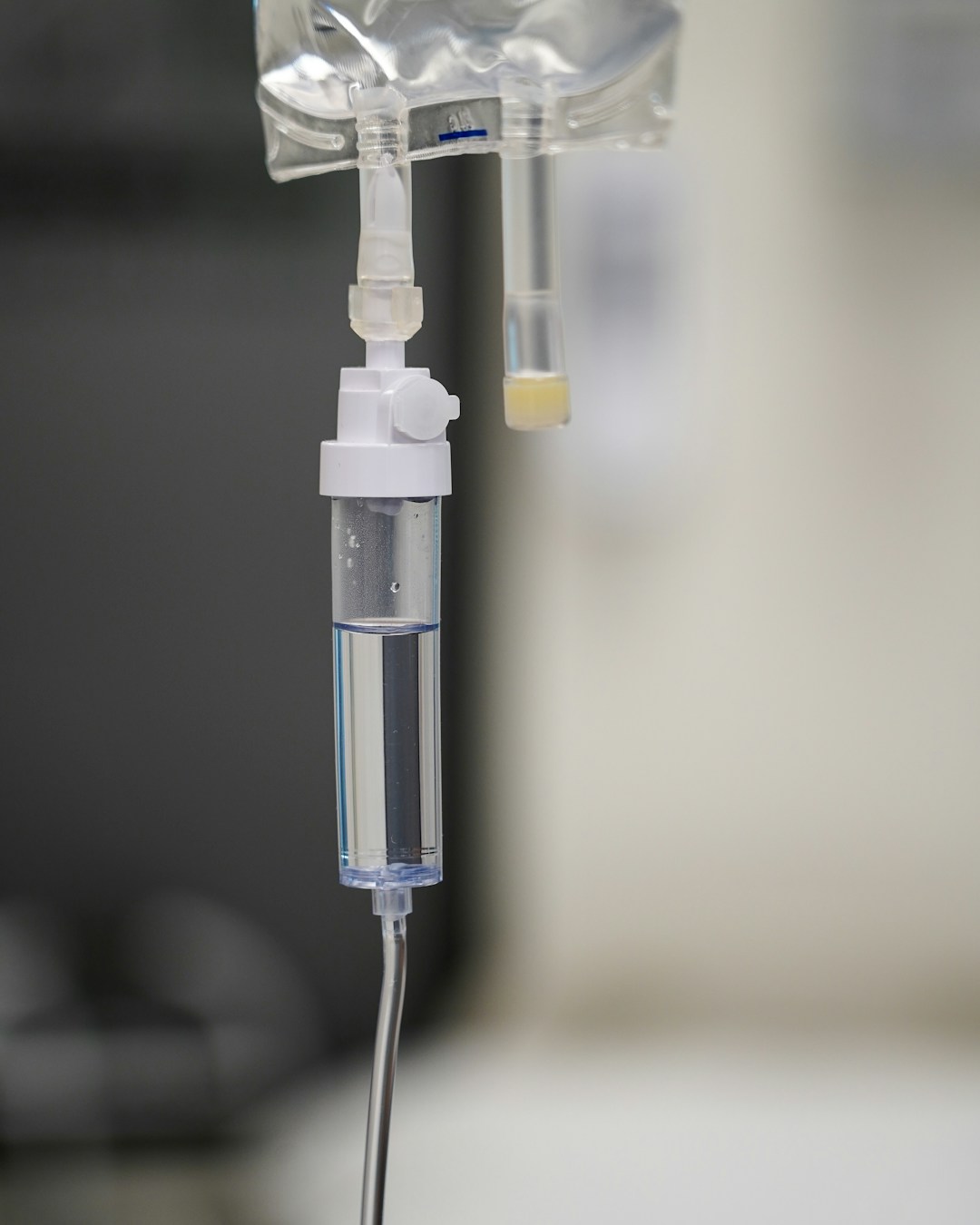
Before You Book an "Immun-Infusion": What the Evidence Actually Says About IV Vitamin Drips
A self-test can tell you how an IV vitamin drip felt, not whether it boosted immunity. Reviews, German regulators and consumer testers find no proven benefit for healthy adults, plus real risks.
-

What B and D vitamins can actually change in autism and ADHD, according to the evidence
A new meta-analysis found B vitamins tracked with eased autism symptoms and vitamin D with better attention in ADHD, but the data is pooled from small, uneven trials. Here is what the evidence actually supports, and where it stops.
-

The Glucosamine-Alzheimer's Study Everyone Is Sharing Measured Something Narrower Than the Headlines Say
A UF study tying glucosamine to a 25% higher dementia progression risk covers only sick patients in retrospective records, and contradicts a larger, healthy-population UK Biobank study that found glucosamine lowers dementia risk.
-

Joint Supplements After 40: What the Evidence Actually Supports, and Who Should Avoid Them
Glucosamine, chondroitin and collagen for joint pain carry no EU-approved health claim, and ANSES has warned diabetics, asthmatics and anyone on blood thinners against them. Here is what the evidence, the regulators and a 2025 fraud sweep actually show.
-
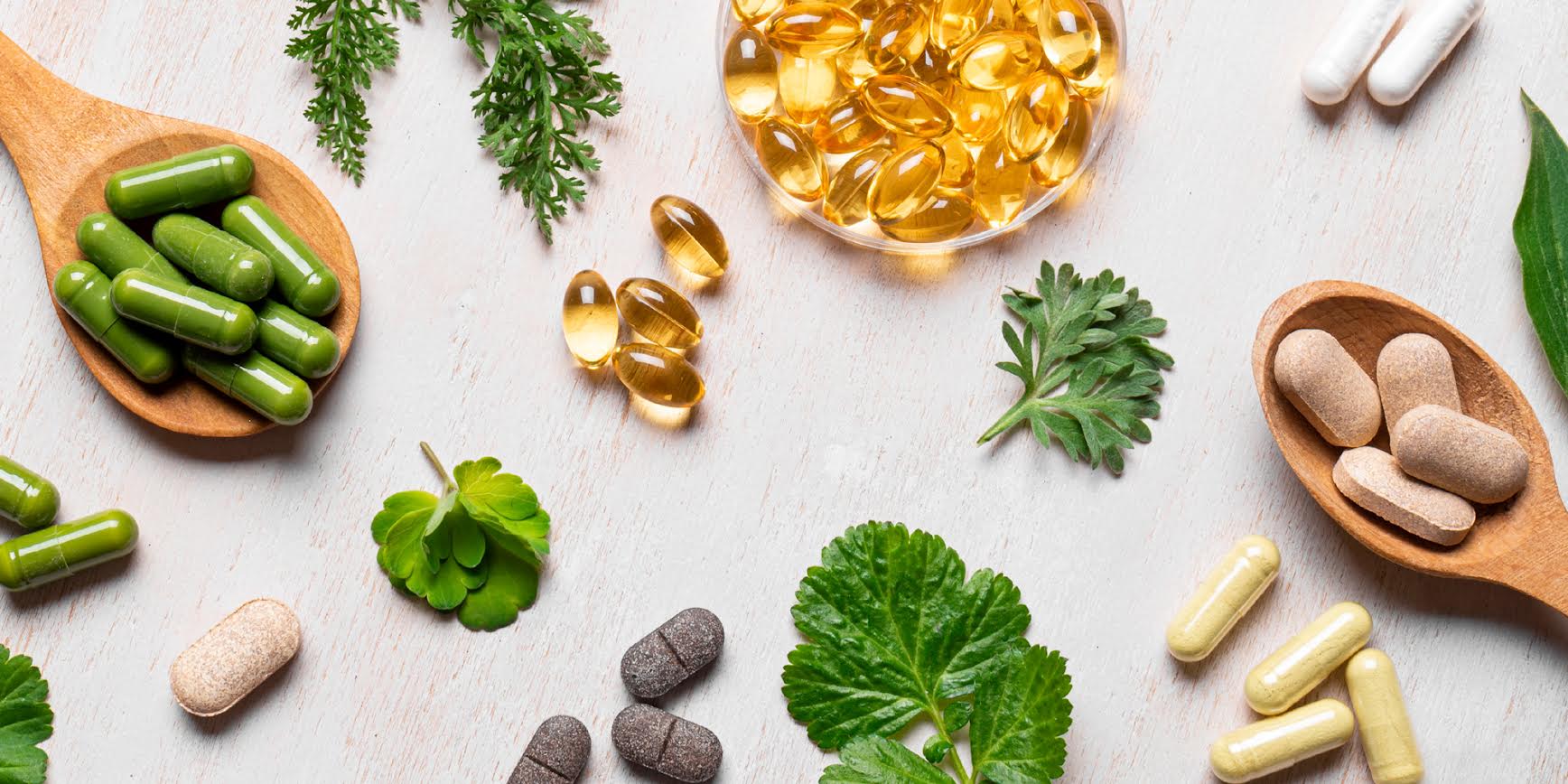
Why menopause supplements aren't worth it
Which? tested 26 menopause supplements and found over 80 active ingredients, often underdosed, while calcium was missing from 20 of them and vitamin D from six.
-
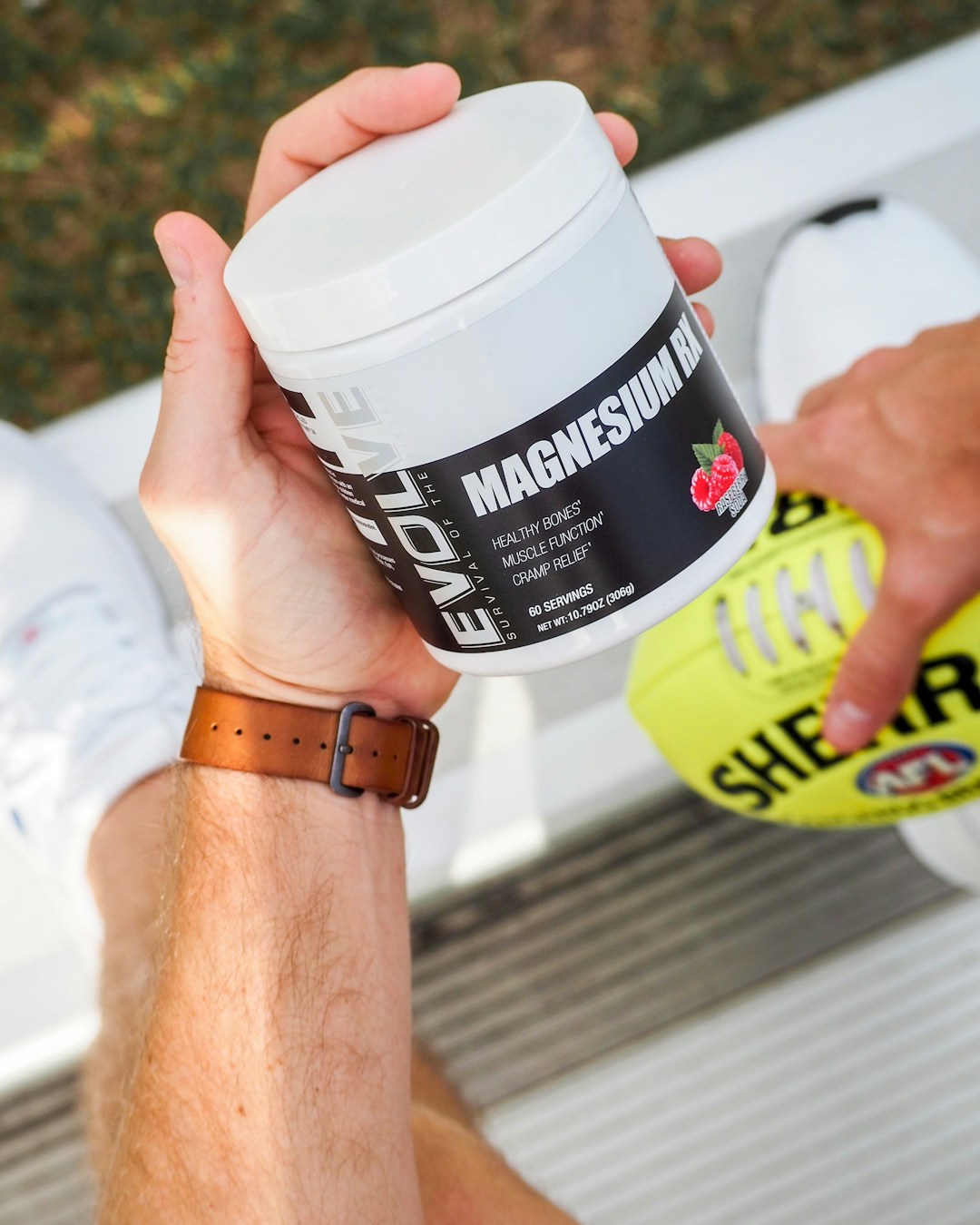
The "Best Magnesium for Sleep" Claim Rests on Weaker Evidence Than the Bottles Suggest
Roundups crown magnesium glycinate or threonate as the "best" sleep supplement, but the 2025 systematic review behind those claims rates the evidence low to very low, and the pricier forms have the thinnest trial data of all.
-

Is GLP-1 Hair Loss Real, and How Worried Should You Be?
About 20% of GLP-1 users report hair shedding, but no randomized trial has confirmed the link, so doctors are leaning on physiology and patient surveys instead.
-

Vitamin D Courses: What the Evidence Actually Supports, and for Whom
Evidence backs targeted vitamin D courses for over-75s, pregnant women and people with malabsorption, not routine dosing for healthy adults. The Endocrine Society's 2024 guideline and the 2022 VITAL fracture trial explain why blanket autumn "cures" outpace the data.
-
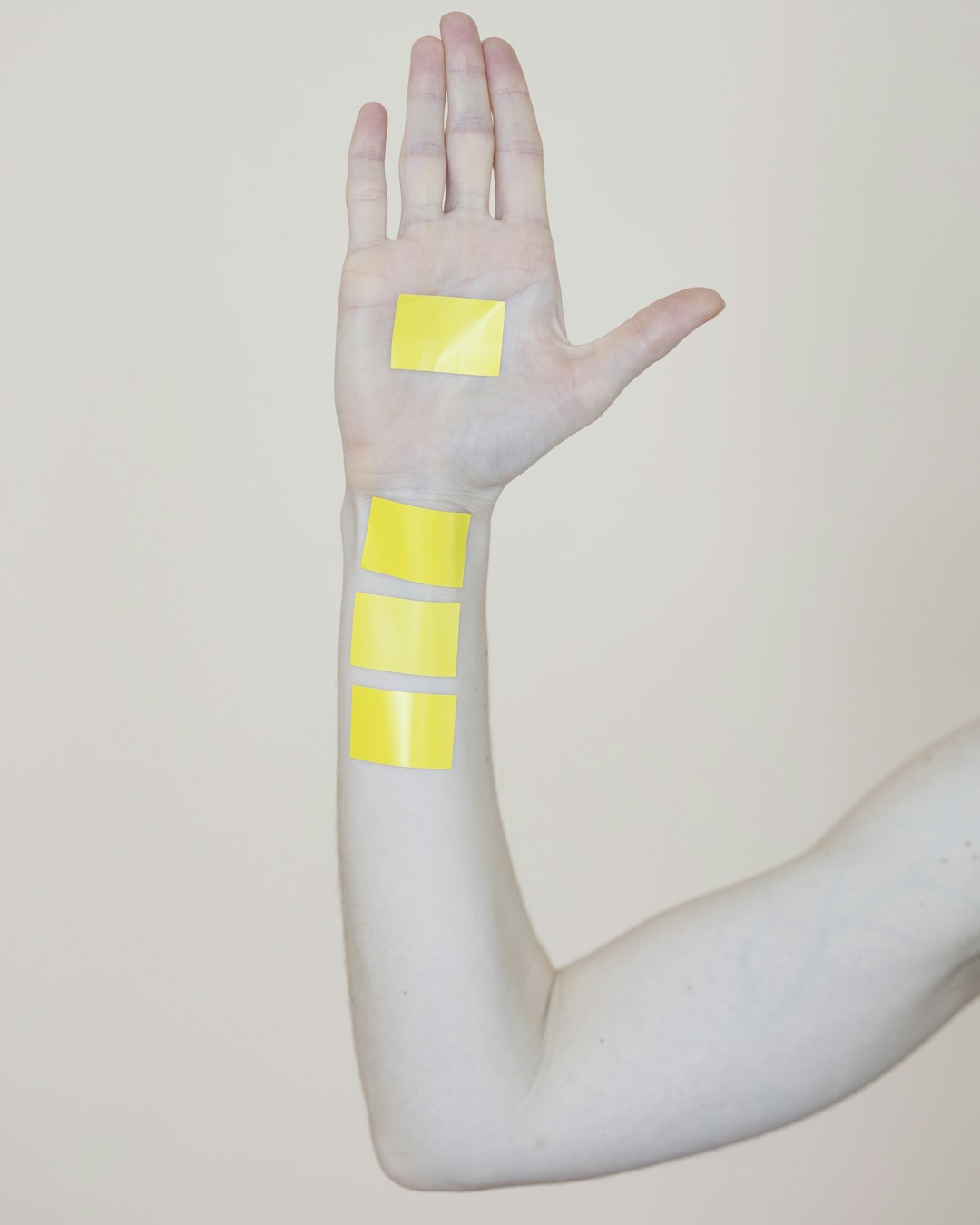
Do Supplement Patches Actually Work?
Vitamin patches are booming, but there is little proof that vitamins can cross the skin in meaningful amounts, and the FDA does not classify them as supplements.
-

France's Consumer Watchdog Tested 120 Supplements for Fatigue. Most Fell Short
60 Millions de consommateurs screened 120 popular supplements and found weak evidence for fatigue relief, plus some ingredients flagged for safety concerns.
-
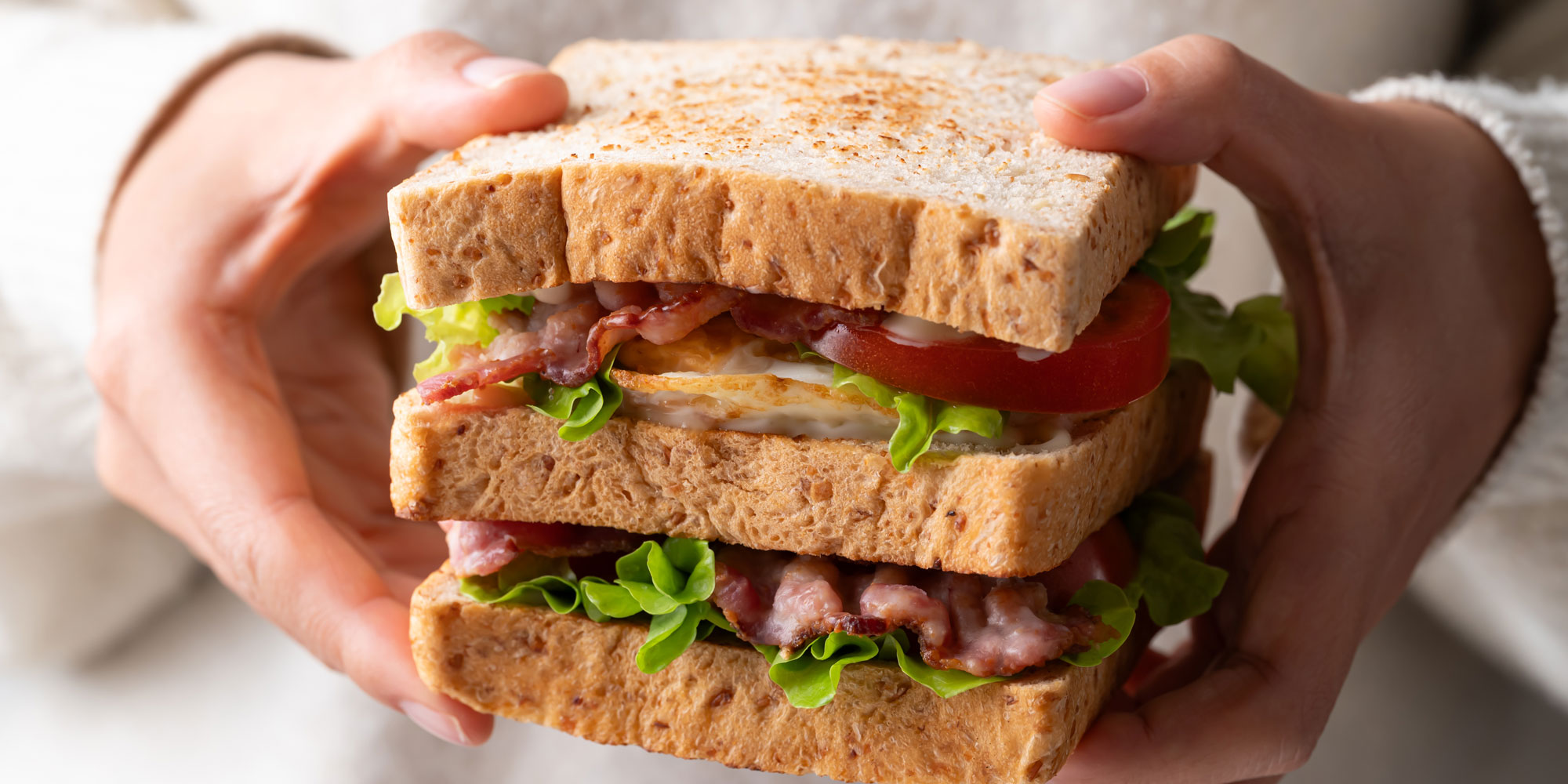
Is there such a thing as 'healthier' bacon?
Which? tested 57 pork bacons plus plant and poultry versions for salt, saturated fat and nitrites, finding fivefold gaps in fat and near-threefold gaps in salt between products.
-
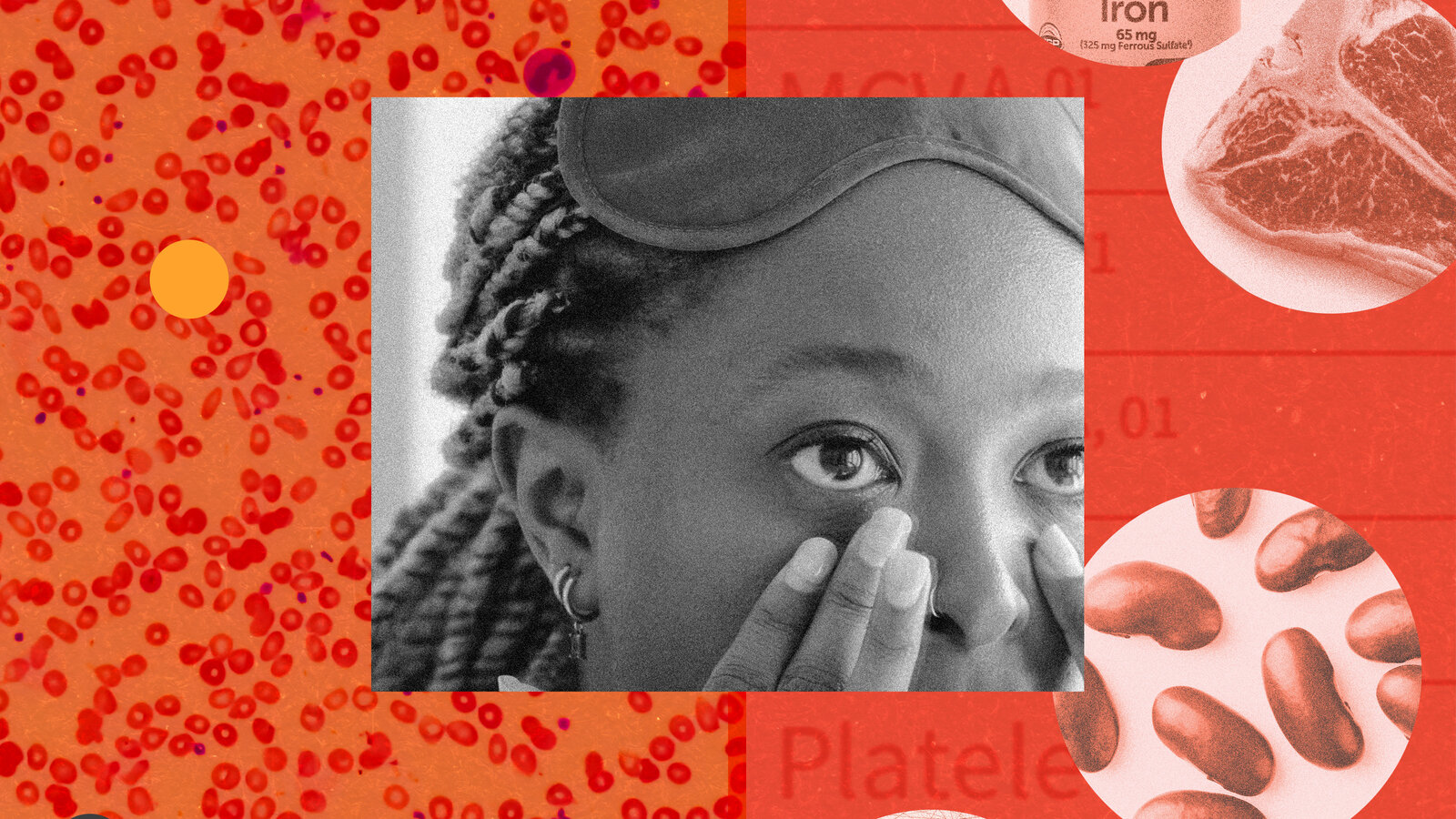
Does 'Ferritin Face' Mean You Have an Iron Deficiency? Here's How to Tell.
A TikTok term for a tired, pale face has people self-diagnosing low iron, but ferritin alone can mask true deficiency and the numbers doctors argue over are still shifting.
-

Celebrities Are Raving About Full-Body Scans. Doctors Urge Caution
Whole-body MRI scans turn up an "abnormal" finding in 95% of healthy people, but a review of 12 studies found 91% of those findings are not clinically meaningful. No U.S. medical society endorses the scans for people without symptoms.
-

The THC Gummy Problem: Impairment Doesn't Wait for the High to Kick In
A 2024 driving-simulator trial found THC gummies impaired lane control at doses below legal blood-THC limits, exposing a gap between what's illegal and what's actually risky. Edibles' delayed, unpredictable onset makes that gap especially dangerous for drivers.
-

A One-Time Gene Edit Kept Cholesterol Down for a Year. Here's What the Data Can and Can't Say.
A 15-person trial found a single CRISPR infusion cut LDL by 53% a year later, but it's Phase 1a safety data, not proof the edit prevents heart attacks, and a rival base-editing drug is close behind.
-

Deer Antlers Helped Mice Heal Fractures in a Week. The Reason May Be Their Nerves.
Mice given injections of deer antler polypeptides healed fractures in about a third the usual time, and the researchers behind the study, from Washington University and Ningbo University, say the reason may be nerve cells, not just bone cells, driving the repair.
-
The "Natural Ozempic" Headline Spain Keeps Writing, Minus the One Number That Matters
Spanish outlets keep asking if berberine is a "natural Ozempic," and the newest entry, from El Mundo's Yo Dona, still skips the number that would settle it: a 2025 meta-analysis puts berberine's weight-loss effect at under a kilogram, against semaglutide's 12-15% body weight loss in trials.
-

The Three-Phrase Kindness Test Was Never a Test
The three phrases originated in a US advice column based on clinical impressions, not a study of kind people. French and Spanish retellings turned suggestions about what to say into an unsupported claim about who says them.
