Claims
Marketing claims about products and ingredients are traced to the documentation or authority that controls them, and the gap between the two is reported.
8
-
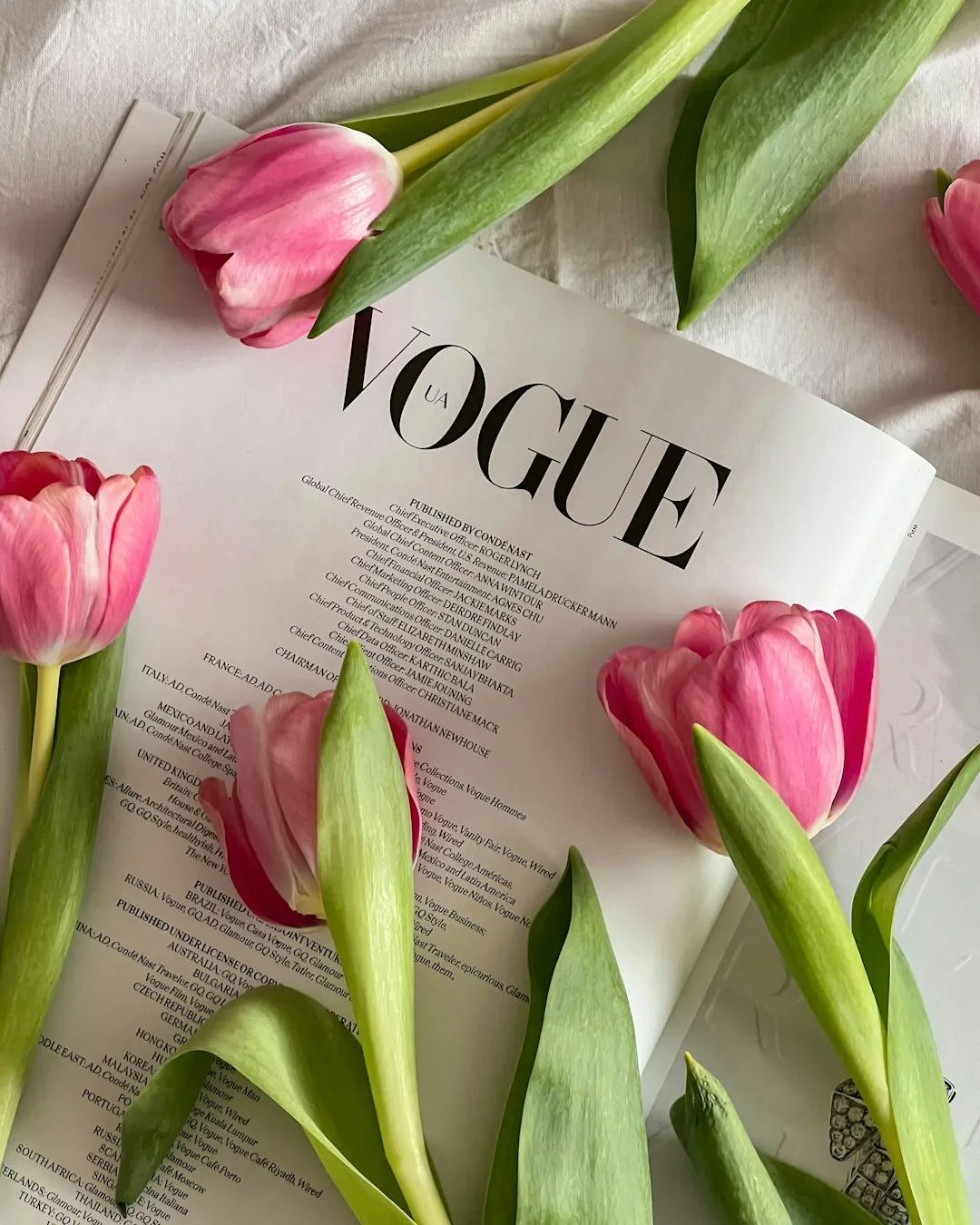
The Vogue Review of Haruharu Wonder's PDRN Serum Skips the Fine Print on What PDRN Actually Does
A Vogue España write-up praises Haruharu Wonder's Rose PDRN serum as a "100% natural" night fix, but doesn't say which of two differently formulated serums it means, or that PDRN's regenerative evidence comes almost entirely from injectables, not jars.
-
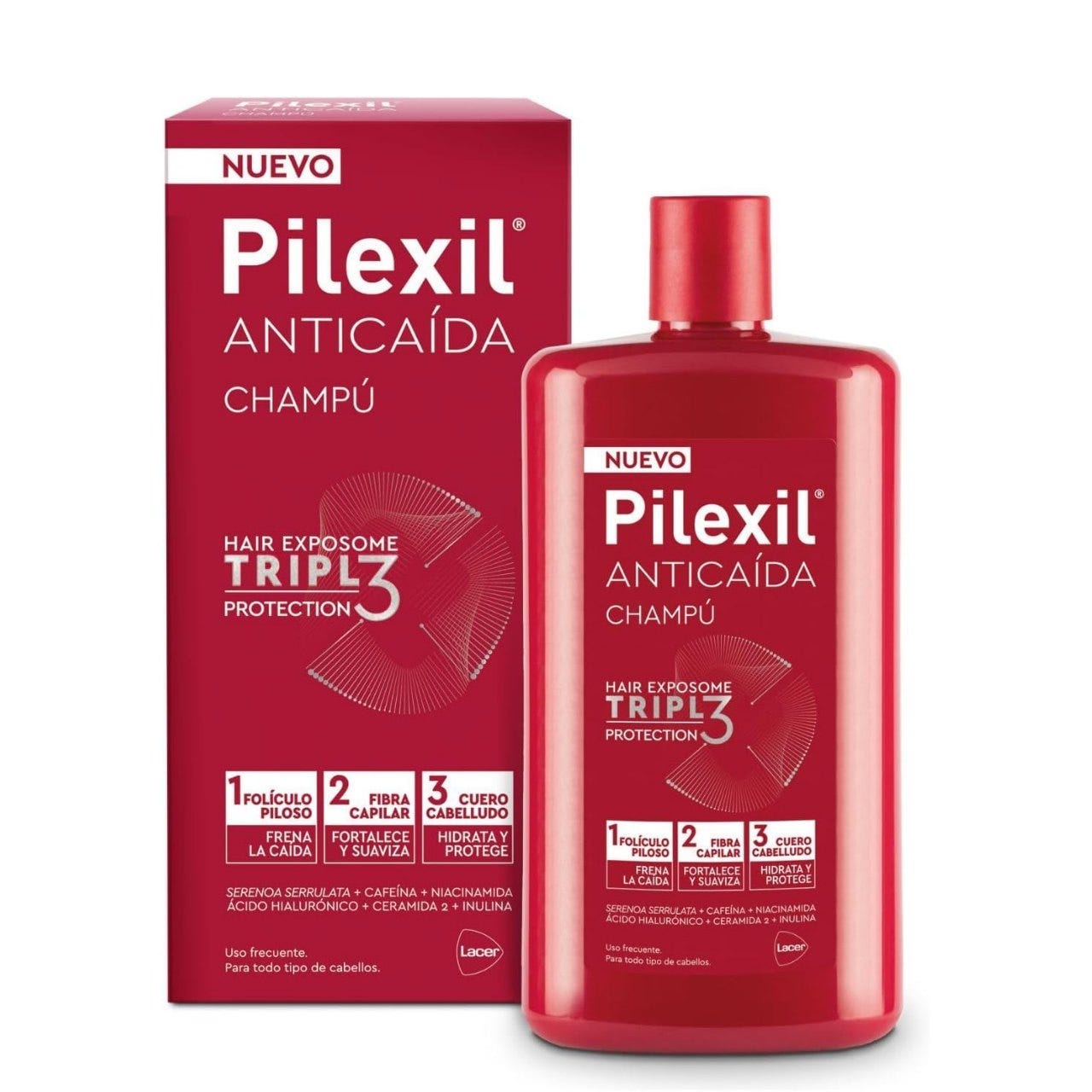
A shampoo can make hair look fuller. That does not establish that it treats hair loss.
Antihair-loss shampoos can reduce breakage and improve the look of thinning hair, yet evidence for treating alopecia rests elsewhere. The missing proof is often the finished product trial.
-

ELLE’s “effective” eye cream claim needs a product-specific evidence file
An eye cream may hydrate and temporarily reduce puffiness, yet public material does not show a clinical test proving it clears dark circles. The product in ELLE’s article also remains unverified.
-

ELLE Spain’s “100% effective” cellulite-cream claim runs ahead of the evidence
ELLE Spain’s promise that 15 slimming creams are “100% effective” outruns public evidence: topicals may briefly smooth cellulite’s appearance, with no proof of local fat loss.
-

The Wrap Dress Has an Icon, Not a Single Inventor
Museum records show that wrap constructions preceded Diane von Furstenberg by decades. Her established contribution was turning one version into a defining 1970s design, not inventing the underlying form.
-

Doomscrolling Now Has a Clinical Scale. Escaping It Depends on Where You Work.
An Italian-validated scale can now measure doomscrolling clinically, but the only concrete countermeasure against it, the legal right to disconnect from work devices, is markedly weaker in Italy than in France or Portugal.
-

The Jewellery Swimsuit Label Does Not Identify the Jewellery
Jewellery language describes how embellished swimwear looks, not what its decorations contain. European and US textile rules disclose different parts of the construction, but neither turns words such as “golden” or “crystal” into a material specification.
-

A Zara Sale Page Is Not an Autumn Color Forecast
The orange Zara listings examined as evidence of an autumn push are sale listings whose stock status differs across Spain, France, the United Kingdom, the United States, Mexico and India. Zara's pages make no autumn prediction, while Pantone's New York report names a palette rather than a single winner.
