In Brief
Can Health Trackers Help You Manage Menopause Symptoms?
Oura, Apple and Whoop all added menopause tracking in 2026, but no major wearable brand has published a clinical trial validating its sensors for perimenopause, and Apple's temperature sensor still can't detect hot flashes on its own.
Published
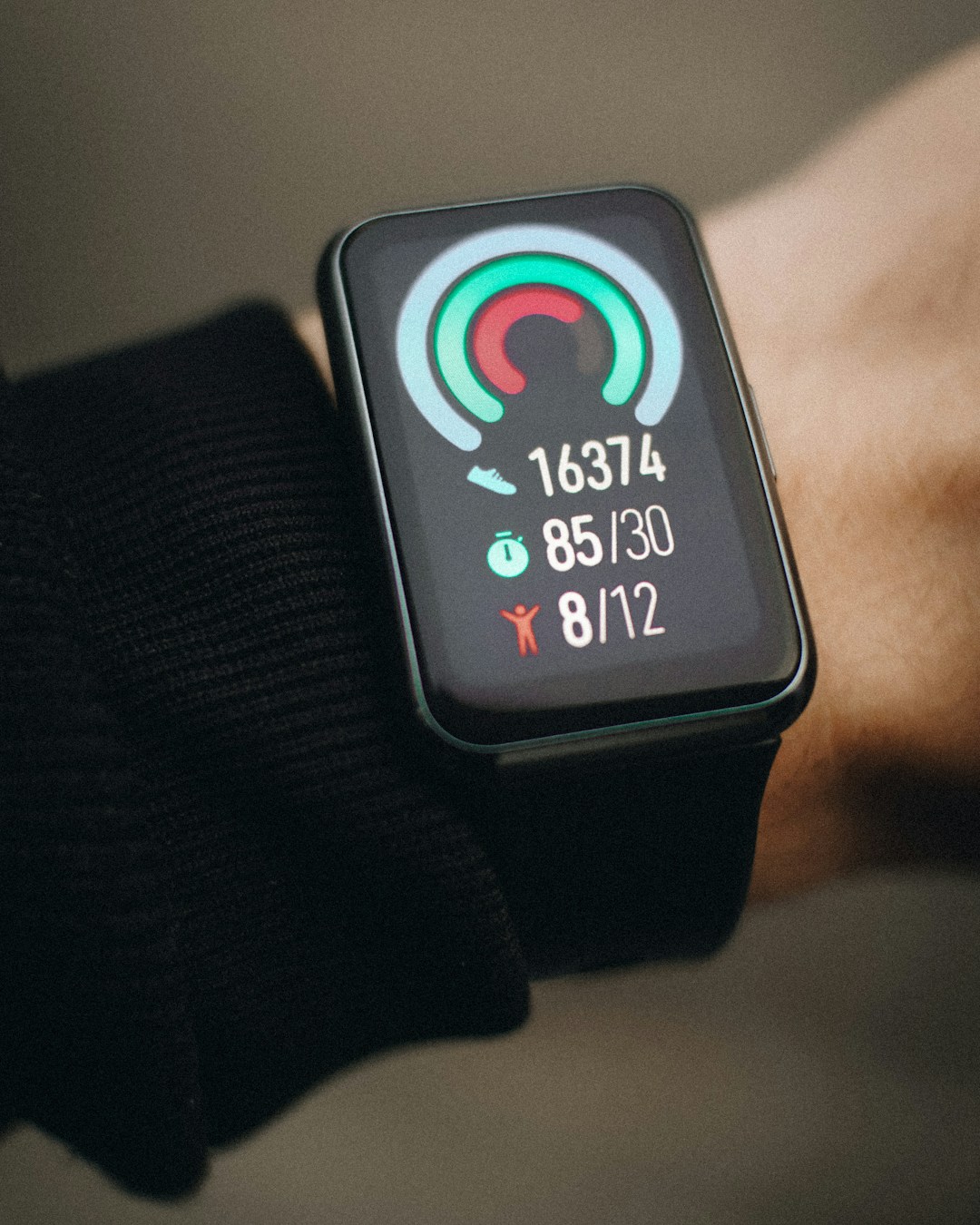
Apple, Oura and Whoop have spent the past year racing to add menopause features to their wearables, and the pitch is consistent across all three: wear the device, log your symptoms, and get a dashboard that makes a confusing transition feel measurable. The underlying evidence for that promise is thin, and the three companies are not even measuring the same thing.
Oura's approach, added in May 2026 as part of its Cycle Insights suite, centers on a proprietary Menopause Impact Scale and 17 new tags for symptoms like hot flashes, crying and spotting, compiled into a six month report designed to be shown to a doctor. The company built that feature on its own October 2024 Perimenopause Report, a de-identified analysis of more than 100,000 ring wearers that found up to two hours of weekly sleep loss, a 20 to 30 percent decline in heart rate variability, and increases in anger, sadness and migraines during late perimenopause, according to Oura's announcement on BusinessWire. That is useful population level description, but it is also a company validating its own product with its own data, a circularity that is worth noticing before treating the Impact Scale as clinically vetted.
Apple took a narrower, more conservative path. Its June 2026 update added perimenopause and menopause stages to Cycle Tracking in the Health app, with notifications when cycle patterns shift. Tom's Guide reported that the Series 8 and later watches' wrist temperature sensor, despite marketing that sits right next to hot flash tracking, does not actually detect hot flashes or night sweats on its own. Users still have to log those episodes by hand. Apple's own support documentation confirms the feature is built on manually logged deviations, not automatic sensing.
Whoop went the furthest in the other direction. In March 2026 it launched Hormonal Symptom Insights and Predictions alongside an optional paid add-on, Whoop Advanced Labs, that tests 11 blood biomarkers including AMH, progesterone, prolactin and thyroid antibodies, as TechCrunch and Forbes both detailed at launch. That is a meaningfully different, and more invasive, proposition than a ring or watch inferring hormonal shifts from sleep and skin temperature. A 2025 paper in the Journal of Medical Internet Research warned that menopause apps can push users toward exactly this kind of consumer blood testing without a prescribing physician involved to interpret the results, a risk the paper described as apps that offer empowerment but pose risks.
The gap behind all three products is that nobody has published a trial proving any of it works. A survey of the major wearable brands, including Garmin, Oura, Whoop, Polar, Fitbit and Withings, found that not one has published a clinical trial validating its sensor data specifically for perimenopause, according to the fitness technology site the5krunner. A separate systematic review identified only six published studies and 80 menopause support apps in total, with just 22 of them, or 27.5 percent, even integrating wearable data at all, according to findings posted on Research Square. A review of wearable science in the journal Bioengineering laid out the bar these products would need to clear: outputs are only useful if they are technically reliable, biologically plausible, clinically validated, interpretable, equitable and actionable, and noted that most consumer devices rely on indirect physiological proxies and unpublished algorithms tested on narrow, non-diverse populations.
None of the three companies claim their menopause features are medical devices, and none are regulated by the FDA for diagnosing menopause symptoms. They are marketed as wellness and informational tools, a distinction that can get blurred when a six month report is designed, as Oura's is, to be handed to a doctor.
The timing is not incidental. In late 2025, the FDA began stripping the broad black box warnings that have sat on menopausal hormone therapy since the 2002 Women's Health Initiative study, calling the two decades of warning language misleading, according to reporting by KQ2. Estrogen based hormone therapy use among women 45 to 54 rose 184 percent in the years around that shift, per data from the health analytics firm Truveta. Trackers that can produce a tidy symptom log arrive at the exact moment more women are walking into appointments asking about hormone therapy, and more doctors are willing to prescribe it.
What a ring or a watch can reliably hand a doctor right now is a log: dates, self-reported hot flashes, sleep disruption, mood notes, maybe a heart rate variability trend line. What it cannot yet hand anyone is a validated diagnosis of where a person sits in the menopause transition, because the studies that would establish that threshold have not been run. The data worth bringing to an appointment is still the same data women have always kept in a notebook. It just syncs now.
