In Brief
Before You Book an "Immun-Infusion": What the Evidence Actually Says About IV Vitamin Drips
A self-test can tell you how an IV vitamin drip felt, not whether it boosted immunity. Reviews, German regulators and consumer testers find no proven benefit for healthy adults, plus real risks.
Published
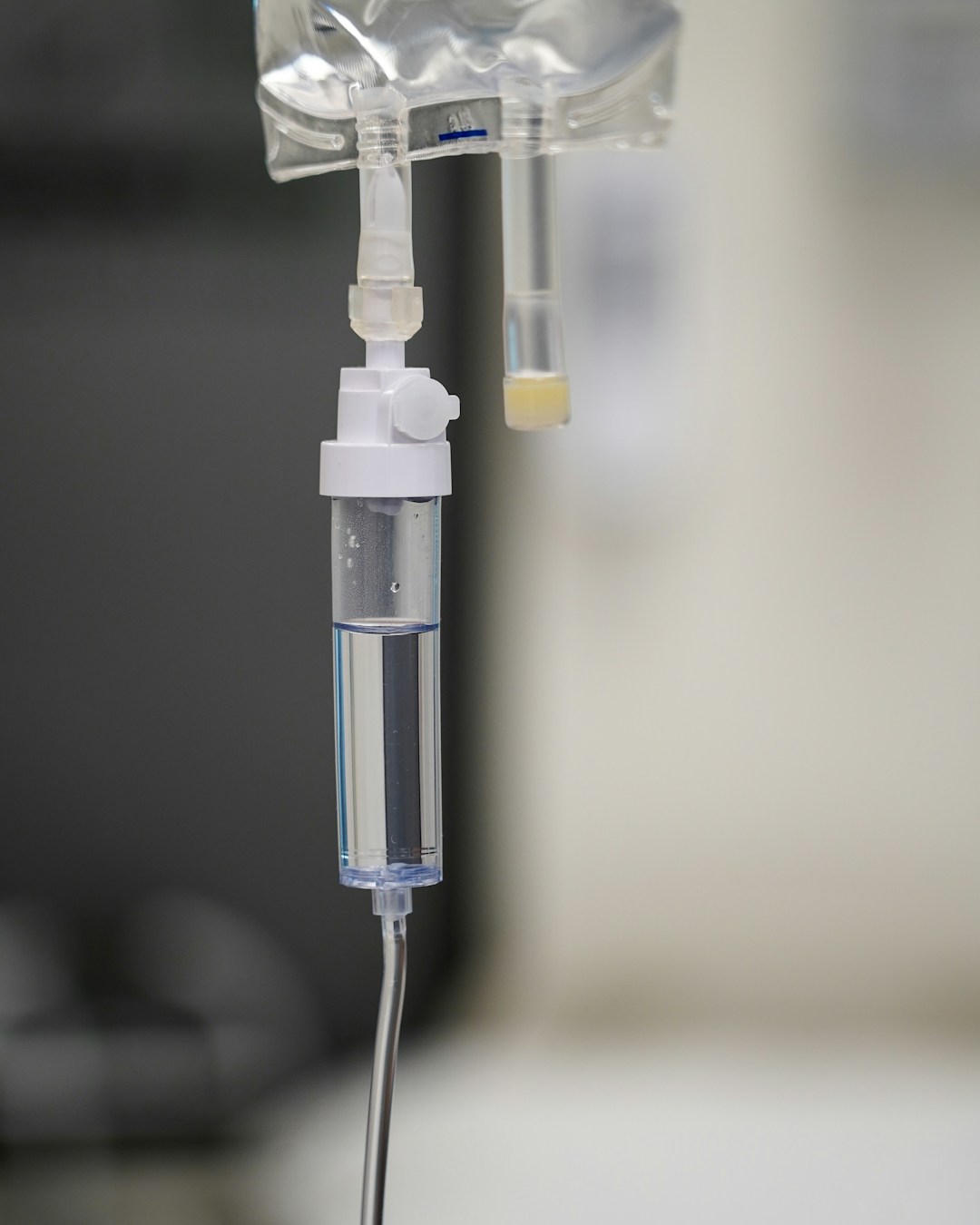
A Glamour writer plugged into an "Immun Drip" IV line, watched a bag of vitamins empty into her arm, and reported feeling sharper afterward. That is a valid personal account. It is not a measurement of whether the infusion did what its name promises, and the research record on that question looks thinner than the marketing around it.
Drip bars sell vitamin and mineral cocktails administered straight into a vein, bypassing digestion entirely, under names like "Immun Drip," "Perfect Age Drip" or "Hangover Drip." German locations in Berlin, Frankfurt and Munich charge roughly 159 to 399 euros per session, according to reporting from Hessenschau. The format traveled from the United States, where celebrity endorsements, Gwyneth Paltrow's among them, helped turn intravenous vitamins into a wellness staple despite a lack of backing data, per commentary from the University of Queensland.
The evidence grade for the core claim, that healthy people get an immune or wellness boost from IV vitamins, is low. A 2023 review covered by the consumer group Which? found no data supporting benefits for healthy adults. Where small studies did show improvement, the populations studied were narrow: some reduction in chemotherapy side effects, some relief from fibromyalgia pain. Neither condition resembles the target customer walking into a drip bar for an immunity top-up before a flight or after a night out.
Germany's federal drug regulator has gone further than flagging insufficient evidence. The Bundesinstitut für Arzneimittel und Medizinprodukte (BfArM) issued a warning about drip-spa and so-called longevity infusions, noting that these high-dose vitamin and mineral solutions are not approved as medicines in Germany, which leaves providers operating in a regulatory gray zone, according to Ärzteblatt. The institute listed concrete risks beyond a wasted payment: overdosing on vitamins, electrolyte and acid-base disturbances, allergic reactions up to anaphylactic shock, infection at the injection site and circulatory strain from rapid fluid infusion, per Pharmazeutische Zeitung and aponet.
Germany's consumer testing organization reached a plainer verdict. Stiftung Warentest concluded that vitamin infusions are unnecessary for people who are not deficient, a group that covers most healthy adults walking into a drip bar out of curiosity rather than medical need, according to test.de. Apotheken Umschau, a mainstream medically oriented outlet, ran a similarly skeptical explainer specifically questioning the claimed benefits, reported at Apotheken Umschau.
Some of the named doses are far from trivial. Experts cited by Yahoo Sports warned that certain drip formulas deliver up to 600 times the daily recommended amount of specific vitamins, and flagged air embolism, a potentially fatal complication, as a risk of the infusion method itself, independent of what is in the bag. In the United States, where drips are likewise not FDA-approved, the Federal Trade Commission charged a drip-bar chain in 2018 over unsubstantiated claims that its IV cocktails could treat cancer, multiple sclerosis or diabetes, a consumer-protection action with no close parallel yet in German enforcement.
None of this means a self-tester's good mood after a session was fabricated. It means the feeling is hard to separate from the ritual itself: a quiet room, a seated hour, a price tag that primes the expectation of benefit. Researchers studying vitamin infusions routinely flag placebo response as the likely explanation for the kind of improvement a single person notices in themselves without a comparison group, a baseline measurement, or a control drip of plain saline.
A one-person, one-session trial can report what the needle felt like going in and whether the writer left the appointment energized. It cannot tell a reader whether the immune system changed at all, and on the evidence gathered so far by BfArM, Stiftung Warentest and the international reviews cited above, for a healthy adult it probably did not.
