Claims In Brief
A shampoo can make hair look fuller. That does not establish that it treats hair loss.
Antihair-loss shampoos can reduce breakage and improve the look of thinning hair, yet evidence for treating alopecia rests elsewhere. The missing proof is often the finished product trial.
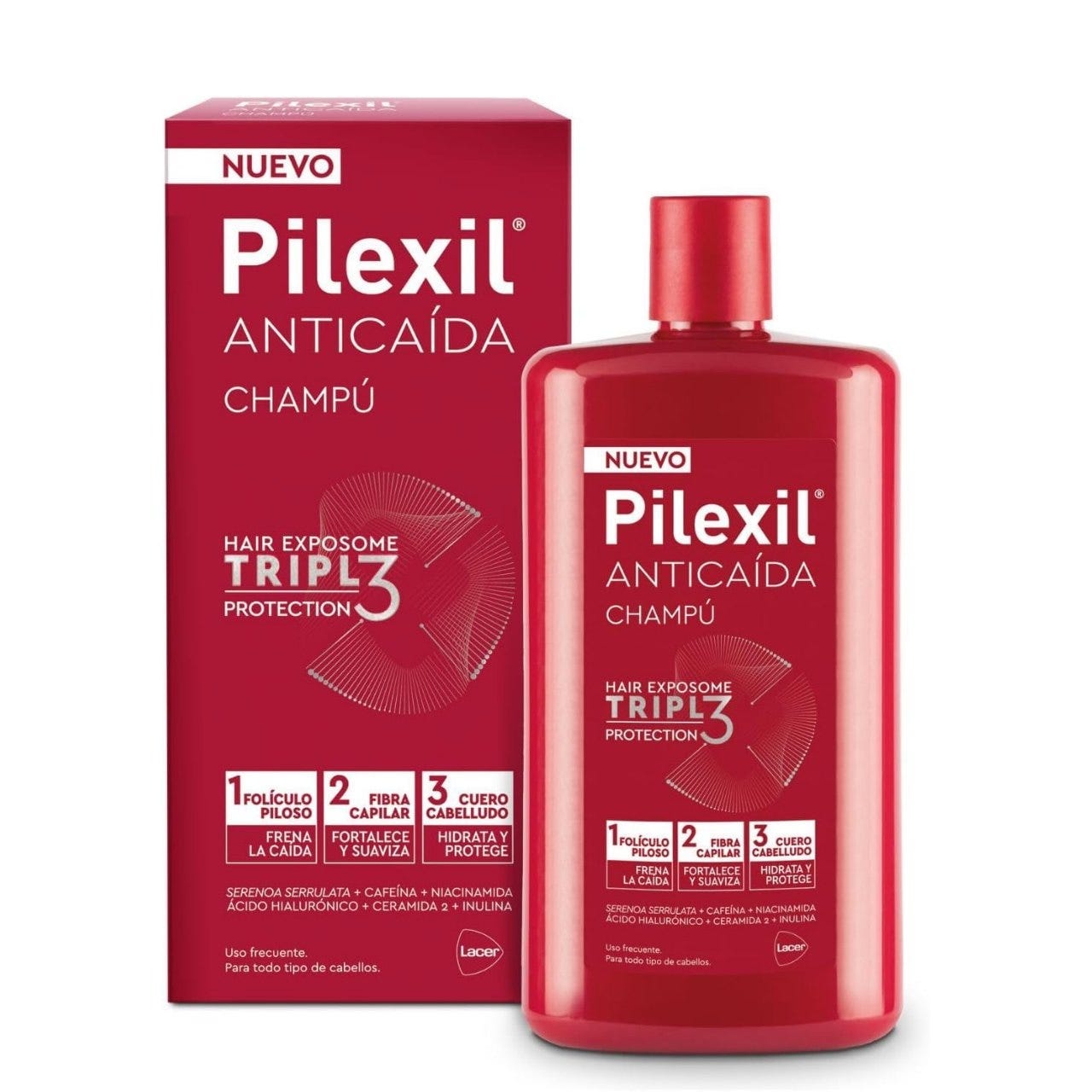
ELLE España’s headline promises “the 12 best” anti-hair-loss shampoos for women, described as effective and recommended. Its page was unavailable to automated review, so the individual products, their prices, ingredients and exact wording cannot be verified here. The larger claim behind the list can be assessed: what does an anti-hair-loss shampoo have to show before “works” means more than a cosmetic improvement?
Under the EU Cosmetics Regulation, shampoo belongs to a category intended to clean, perfume, change appearance, protect, keep in good condition or correct body odours. Spain’s medicines agency, the AEMPS, describes those purposes in its cosmetics regulation FAQ. A shampoo can therefore be useful care for hair and scalp. That legal category does not establish treatment of alopecia, regrowth of hair, or a change in the number of active follicles.
The distinction is easy to lose in packaging language. “Anti-hair-loss,” “reactivating” and “density” can evoke a medical result when a formula may chiefly reduce breakage, improve conditioning or leave strands looking thicker. The Spanish consumer group OCU wrote in its April 2026 review that cosmetic anti-hair-loss products have no convincing evidence that they accelerate growth or work as a therapeutic treatment for alopecia. It accepts a narrower benefit: hair can break less, become easier to manage and appear denser. Those are meaningful outcomes, especially for damaged hair. They are different endpoints from reversing progressive thinning.
The European Commission’s 2013 common criteria for cosmetic claims require evidence that is “adequate and verifiable,” honesty and support for claims made about an ingredient in the final product at an effective concentration. The text is available in Commission Regulation (EU) No 655/2013. That leaves a practical set of questions for any shampoo marketed around caffeine, biotin, rosemary, aminexil, ginseng or saw palmetto: how much active is in the bottle, how long is it left on the scalp, and was the finished formula tested against a comparator? Ingredient studies alone do not answer them.
“Clinically proven” also needs a denominator. A persuasive result would disclose participant numbers, duration, sponsorship, the comparator and the outcome measured. A count of fewer hairs in a brush can reflect less shaft breakage. A user survey about fuller-looking hair measures perception. Neither result demonstrates an increase in follicle activity. Shampoo’s brief contact time is central to this gap, particularly when the claim implies an action inside the follicle.
The evidence base for female-pattern hair loss points to a product used very differently. A Cochrane review found that 157 of 593 women using topical minoxidil had moderate or marked regrowth, compared with 77 of 555 using placebo. It also reported a mean density increase of 13.18 hairs per square centimetre, while judging parts of the evidence moderate or low quality. Minoxidil is applied and left on the scalp. An AEMPS product information sheet for 2% topical minoxidil says treatment can take four months or longer and that benefit is lost after stopping, while listing restrictions and adverse effects including irritation, contact dermatitis and unwanted hair growth. Its use depends on the authorised formulation and the person’s circumstances, including pregnancy and breastfeeding.
A product comparison also needs to ask what “hair loss” means. Dermatologists distinguish temporary shedding, called telogen effluvium, from gradual pattern loss. The American Academy of Dermatology says shedding can follow childbirth, feverish illness, surgery, major weight loss or stress, often appearing months after the triggering event. Recovery may happen as the cycle normalises, allowing any shampoo started during that period to receive credit for a change it did not cause. Progressive widening of a part, scalp inflammation, patches of loss or ongoing heavy shedding raise a different question from dry, snapping lengths.
That distinction affects the value of a purchase. OCU estimated that a shampoo, serum or lotion and ampoules routine can reach roughly €300 a year, rising to an average €588 with supplements. Supplements may have a role when testing identifies a deficiency, according to the American Academy of Dermatology, yet indiscriminate iron, zinc or biotin use has risks. A cosmetics list cannot identify thyroid disease, hormonal changes, nutritional deficiency, inflammatory scalp disease or scarring alopecia.
For shoppers, the most defensible label on a shampoo is an adjunct: a cleanser that may support scalp comfort, reduce friction and breakage, and improve hair’s cosmetic appearance. Before paying for a stronger promise, ask for the product’s finished-formula study and its outcome measure. If the answer is a testimonial, an ingredient bibliography, or a claim about fewer hairs on the brush, the concrete result on offer may be a smoother hair shaft, rinsed away in minutes.