Mercury, lead and methanol found in counterfeit beauty products seized across UK
Trading Standards tested 50 seized counterfeit cosmetics and found 20 unsafe, including a skin-lightening cream with 13,200 ppm of mercury and a fragrance that was 80% methanol.
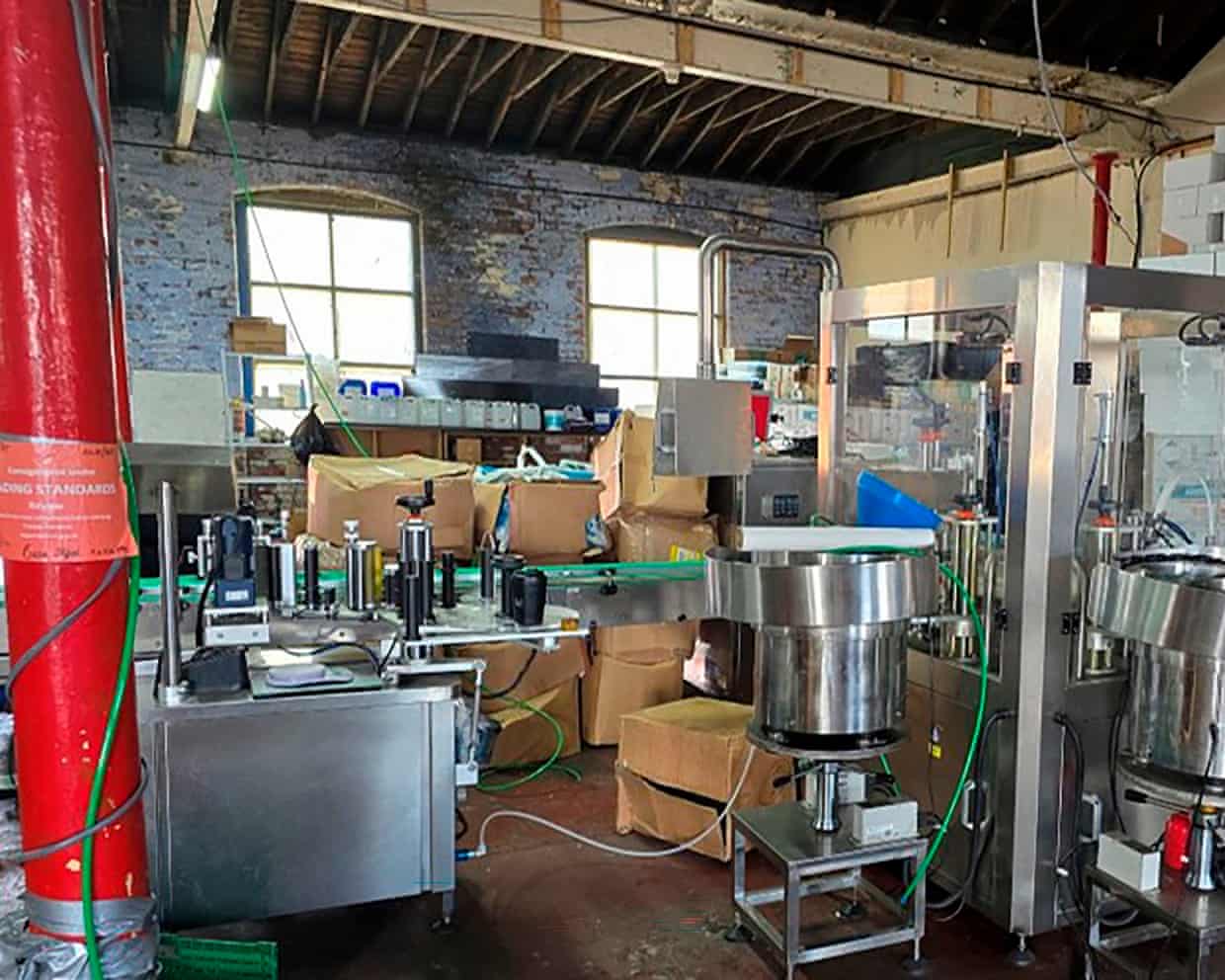
Trading Standards officers tested 50 counterfeit cosmetics seized in operations across the UK and found 20 of them unsafe, spanning skincare, make-up and fragrance. One fake skin-lightening cream contained mercury at 13,200 parts per million, far above the near-zero limit allowed in cosmetics sold legally in the UK. A counterfeit contour kit carried 40mg/kg of lead. A fake fragrance tested at roughly 80% methanol, where a genuine product would use ethanol.
Methanol is toxic through skin contact and inhalation, not only through swallowing. Mercury builds up in the kidneys and nervous system over repeated use. Lead exposure through cosmetics adds to a person's existing burden from other sources, including old paint and contaminated water. Trading Standards also found nicotine in some of the seized perfumes.
The findings sit inside the Intellectual Property Office's Choose Safe Not Fake campaign, which has pushed local authorities to test more seized cosmetics since 2024. The problem is not confined to this one batch. The Office for Product Safety and Standards has issued separate recall notices this year for Faiza Beauty Cream, which tested at 19,170mg/kg of mercury, and Kohinoor Tibet Snow Cream, made in Pakistan and also rated a serious chemical risk. Both notices warned of damage to the kidneys, nervous system and circulatory system.
Legitimate cosmetics sold in the UK must pass a mandatory product safety assessment before they reach shelves. Counterfeit products skip that process entirely, so toxic ingredients that a legal manufacturer would never use, because the finished product would fail a lab test, end up in jars and bottles stamped with a familiar brand name instead.
Consumer group Which? bought 34 cosmetics from third party sellers on Amazon, eBay, TikTok Shop and Vinted in 2025 and judged at least two thirds of them likely counterfeit. TikTok Shop had the highest suspect rate: five of six purchases there raised red flags. The brands copied included Charlotte Tilbury, MAC, The Ordinary, La Roche-Posay and Maybelline. Which? has argued that Trading Standards funding has been cut back for years even as the volume of fakes sold online keeps growing, and has called the new Product Regulation and Metrology Act a first step rather than a fix.
That resourcing gap sits at the center of the enforcement picture. Trading Standards teams, funded by local councils, do the seizing and lab testing. The Intellectual Property Office runs the public awareness campaigns. Neither has the budget or the legal reach to stop counterfeit listings from reappearing on marketplaces and social platforms once one batch is pulled.
In June, a joint operation by Sandwell Council and West Midlands Police seized counterfeit trainers, watches, perfumes and electronics in Smethwick that had been advertised on TikTok. Skincare brand Cosrx has separately warned that fake versions of its products are circulating on the same platform. Trading Standards has not named the specific brands counterfeited in this latest 50-product batch, or said whether any match products already subject to an OPSS recall notice.
Related
-
 MHRA clears third JAK inhibitor for severe alopecia areata, but NHS funding fight looms
-
 Spain's Beauty Industry Hits 11,800 Million Euros. Its Own Trade Body Is Worried About Dupes.
-
 FTC's $225 Million Amway Settlement Closes a 47-Year Loop on America's Founding MLM Case
-
 MHRA's August Advertising Report Lands as a New Weight-Loss Pill Hits the Market
