The "84%" Menopause Statistic Is the Top of a Range, Not a Settled Number
The widely cited claim that genitourinary syndrome of menopause affects 84% of women comes from the top of a 13-87% evidence range, not a settled rate, and under-diagnosis, not prevalence, is the better-documented problem.
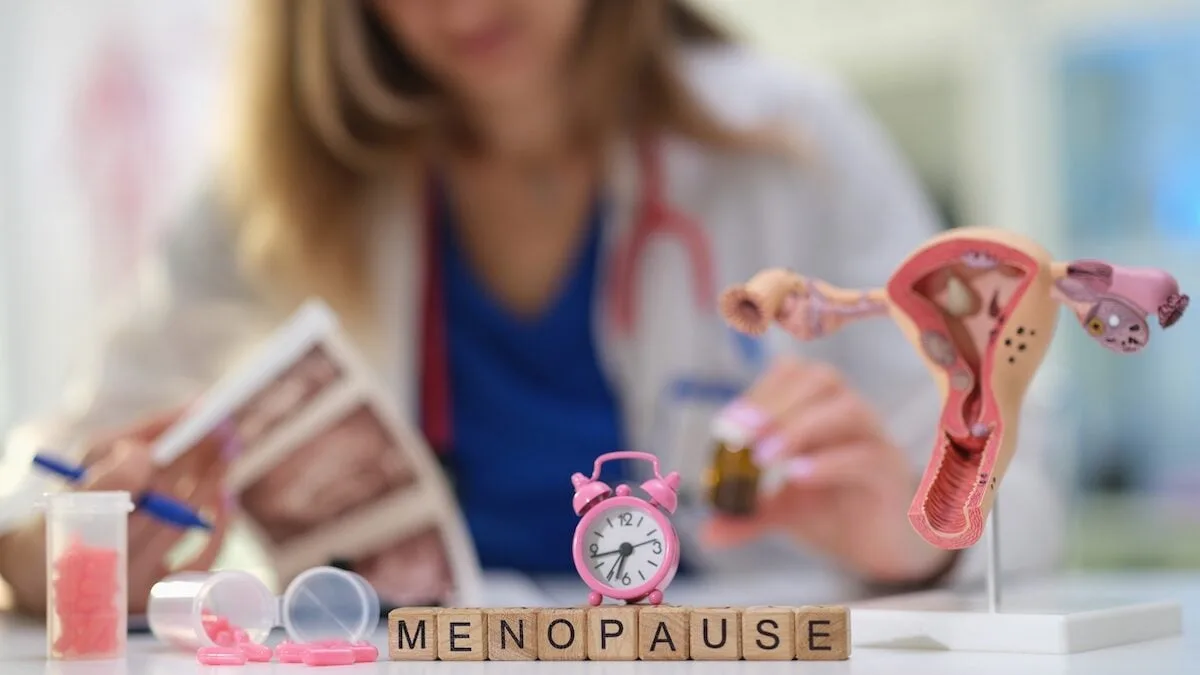
The headline number in the Doctissimo piece, that genitourinary syndrome of menopause (GSM) affects 84% of women, comes from the far end of a wide evidence band, not a settled prevalence rate. A 2021 systematic review in Frontiers in Reproductive Health put the range at 27% to 84% across the studies it pooled, depending on how researchers defined symptoms and which populations they surveyed. A separate 2021 systematic review on PubMed found an even wider spread, 13% to 87%. A pan-European study summarized on PubMed Central reported urogenital atrophy symptoms in roughly 30% of women aged 55 to 75, a figure far closer to the bottom of the range than the top.
GSM itself is a relatively young diagnostic category. The International Society for the Study of Women's Sexual Health and the North American Menopause Society coined the term jointly in 2014, retiring the older label "vulvovaginal atrophy" to cover genital, sexual and urinary symptoms together, including dryness, pain during sex, recurrent urinary tract infections and urgency. The condition is not even strictly post-menopausal: Le Quotidien du médecin, a French trade publication for physicians, notes that about 15% of pre-menopausal women already report GSM-like symptoms.
The more reliably documented finding across this literature is under-diagnosis, not prevalence. Le Quotidien du médecin cites data showing only about 25% of women with GSM symptoms ever consult a clinician about them, a gap consistent with the Intimina-commissioned survey Doctissimo cites, in which 40% of affected women said they had never raised the symptoms with a health professional. Slate.fr has covered the same pattern, describing GSM as a condition where, for some women, "symptoms never stop" because neither patients nor doctors routinely name or screen for it.
That under-treatment has a concrete regulatory backstory. On November 10, 2025, the US Food and Drug Administration announced it would remove the decades-old black-box warning from menopause hormone therapy products, including low-dose vaginal estrogen, after an FDA expert panel recommended the change in July 2025. The warning had applied uniformly to all estrogen products regardless of dose or route, even though low-dose vaginal estrogen used for GSM has not been linked in studies to the increased cardiovascular, cancer, clot or dementia risks the warning was meant to flag. The American Urogynecologic Society said in a practice advisory following the decision that the blanket warning had "led many providers and patients to avoid appropriate, evidence-based" treatment, citing the label itself as a driver of the under-treatment the French survey data also describes.
France's own treatment options, topical estriol, a vaginal estradiol ring, and prasterone (marketed as Intrarosa, used daily intravaginally over three months), carry a narrower evidence base than the FDA's decision might suggest: follow-up safety data on these local hormone therapies extends only one to two years, according to the French treatment literature reviewed in La Revue du Praticien. For women who do not respond to those options, vaginal CO2 or Yag laser therapy has been used in France for two to three years, typically in three sessions providing six to twelve months of relief, with Swiss gynecology society guidance allowing retreatment after one to two years. Reimbursement status for the laser option was not confirmed in the sources reviewed. For breast cancer survivors, a population for whom even local estrogen use raises hormone-sensitivity concerns, the Cleveland Clinic Journal of Medicine has published specific management guidance that diverges from the general GSM treatment protocol, underscoring that no single regimen applies uniformly across the women the 84% figure is meant to describe.
Related
-
 Tim Spector Says Exercise Doesn't Cause Weight Loss. The Study Behind That Claim Is Still Being Argued Over
-
 New Menopause Guidelines Give Hormone Therapy Its Strongest Endorsement Yet. The Fine Print Still Matters.
-
 Why "3 sunscreens that actually prevent spots after 50" oversimplifies a messier science story
-
 The Best Vitamin B12 Food Sources, and the Medication Risk Most Rankings Skip
