In Brief
The "Best Magnesium for Sleep" Claim Rests on Weaker Evidence Than the Bottles Suggest
Roundups crown magnesium glycinate or threonate as the "best" sleep supplement, but the 2025 systematic review behind those claims rates the evidence low to very low, and the pricier forms have the thinnest trial data of all.
Published
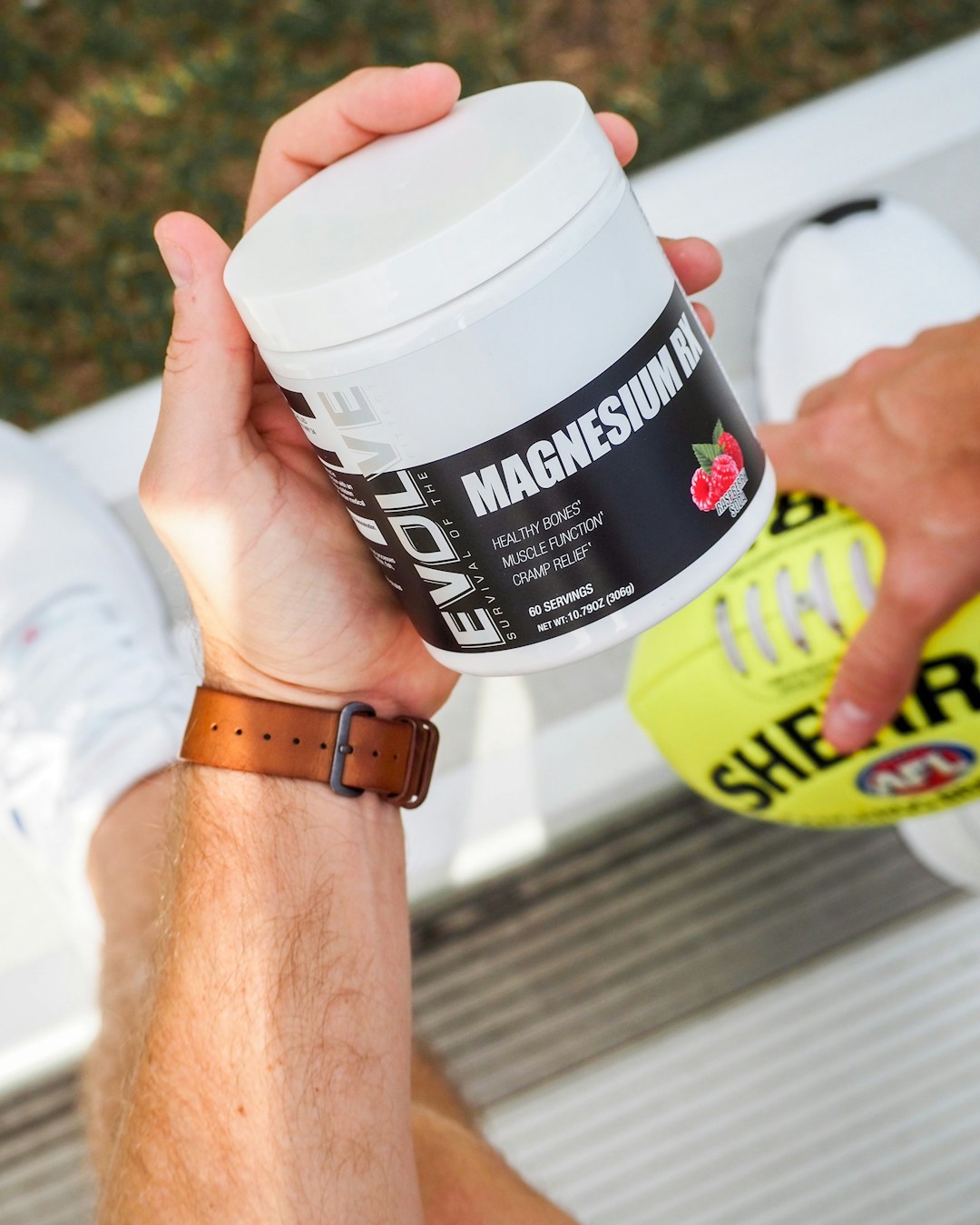
Scroll through any "best magnesium for sleep" roundup and you will find a confident hierarchy: citrate for fast absorption, glycinate for gentler digestion, threonate for a calmer mind. What those guides rarely mention is that the clinical evidence behind an entire product category is thin, and getting thinner the more carefully researchers look at it.
A systematic review of randomized controlled trials published in 2025 and indexed on PubMed concluded that the certainty of evidence for oral magnesium as an insomnia treatment is low to very low. The authors did not find support for magnesium as a routine sleep aid, though they left room for modest benefit on some subjective measures, like how rested a person feels rather than how long they actually slept.
That finding sits awkwardly next to the meta-analysis most marketing still leans on: a 2021 review of trials in older adults, widely cited in retail copy, which found sleep-onset latency improved by about 17 minutes compared with placebo. The same analysis found total sleep time increased by roughly 16 minutes, a gain that did not reach statistical significance. In plain terms, people may have dozed off a bit faster without actually sleeping meaningfully longer or better.
There is a further mismatch between what was tested and what is sold. Most of the trials behind these modest positive results used magnesium oxide, citrate, or mixed chelates, according to the Sleep Foundation's review of the literature. The glycinate and threonate forms now marketed as premium options, the ones roundups tend to crown "best," have a thinner trial base. A review in ScienceDirect notes that magnesium L-threonate, promoted heavily for its supposed brain bioavailability, has among the least robust randomized-trial support of the popular forms, despite being priced and positioned as the sophisticated choice.
Which salt actually works best is not settled science so much as a live debate that tracks inventory. Spanish retailer Druni's own buying guide favors citrate for its fast absorption and relaxant effect, while other sellers push bisglycinate for gut tolerance or threonate for what they describe as "mental agitation." No consensus exists among the clinical reviews on which form outperforms the others for sleep specifically, which means a recommendation often says more about what a given brand stocks than what a trial measured.
Context helps explain why this category has grown so fast in Spain. The ANIBES study, run by the Fundación Española de la Nutrición, found that roughly 78 percent of Spanish men and 80 percent of women consume less than 80 percent of the recommended magnesium intake. That deficiency statistic is doing a lot of work in shopping copy, even though clinical sources, including Quirónsalud, note that most people get adequate magnesium through diet and do not need a supplement absent a diagnosed deficiency. Population-level shortfall and individual medical necessity are two different claims, and marketing tends to blur them into one.
The safety framing gets even thinner. Excess magnesium can cause hypermagnesemia, a risk that rises sharply for people with impaired kidney function, a population that could easily be taking a nightly gummy or spray without knowing their renal status. A Spanish physician interviewed by Redacción Médica put the risk in blunter terms than any product label does, warning that high doses of magnesium can cause "atonía o paro cardiaco," atony or cardiac arrest. That warning does not appear anywhere near the pastel packaging of a bedtime gummy.
Timing matters here too. The most rigorous, most recent synthesis of the evidence, the 2025 systematic review, is more skeptical than the older meta-analysis still doing the heavy lifting in ad copy. Evidence quality did not improve as the market grew. It moved in the opposite direction, even as magnesium climbed to become Spain's fourth most-taken supplement category, trailing only vitamin D, multivitamins, and vitamin C, according to AFEPADI figures.
None of this means magnesium is useless before bed. It means the honest answer to "which is the best magnesium for sleep" is closer to "the evidence for any of them is weak, and weakest for the ones marketed hardest," a sentence no bottle is likely to print on its label.
