In Brief
Gentle Hydrating Serums for Sensitive, Redness-Prone Skin: SKIN1004 vs CeraVe vs La Roche-Posay
Five hyaluronic acid and panthenol serums compared for sensitive, redness-prone skin with a weakened barrier, from SKIN1004's seven-ingredient ampoule to CeraVe's ceramide serum and La Roche-Posay's fragranced Hyalu B5.
Published
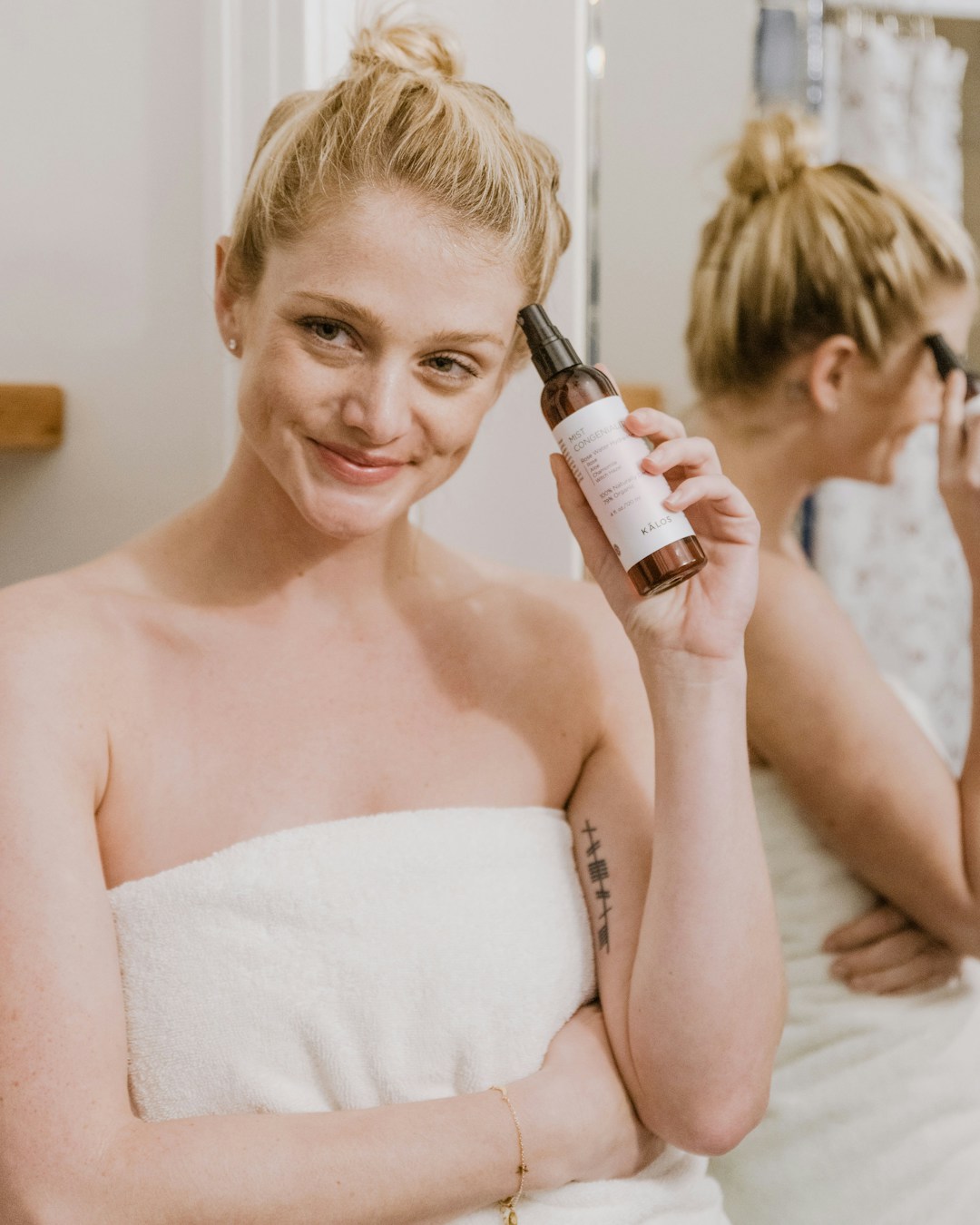
SKIN1004 Madagascar Centella Ampoule, 30ml for $9.50 (2026-09-08, official store), and CeraVe Hydrating Hyaluronic Acid Serum, 30ml for $21.99 (2026-09, Acme Markets), sit at opposite ends of the same shelf: one keeps its ingredient list to seven items, the other adds three ceramides for long-term barrier repair. For a face that flushes in warm rooms and feels tight afterward, the deciding axis is how much fragrance and how many extra actives the skin can tolerate before it reacts, more than which serum packs in the most actives. A gentle hydrating serum for sensitive, redness-prone skin with a weakened barrier works when its humectants (hyaluronic acid, panthenol, glycerin) sit in a base free of fragrance and heavy actives, and when any ceramides or soothing botanicals support the barrier instead of testing it.
CeraVe Hydrating Hyaluronic Acid Serum
CeraVe Hydrating Hyaluronic Acid Serum, 30ml for $21.99 (2026-09, Acme Markets), combines sodium hyaluronate and panthenol with three ceramides (NP, AP, EOP) in a fragrance-free, paraben-free base.
The brand states the formula binds moisture to the skin's surface and helps restore the skin's protective barrier, with up to 24 hours of hydration; the marketing language centers on barrier restoration instead of redness reduction specifically, and the product is labeled for normal to dry skin generally, not as a sensitive-skin-specific line.
Sodium hyaluronate pulls water from the air and deeper skin layers to the surface, and panthenol supports the skin's own lipid production, which is the mechanism ceramide-focused formulas rely on for barrier repair.
- Pro: three ceramides plus panthenol target long-term barrier reinforcement.
- Pro: fragrance-free and non-comedogenic formulation.
- Con: no redness-specific claim on the official product page or major retailer listings.
It fits a barrier that needs rebuilding over weeks, not a face that is actively flushed today.
SKIN1004 Madagascar Centella Ampoule
SKIN1004 Madagascar Centella Ampoule, 30ml for $9.50 (2026-09-08, official store), is made from seven ingredients: Water, Glycerin, Butylene Glycol, Centella Asiatica Extract, 1,2-Hexanediol, Cellulose Gum and Ethylhexylglycerin.
SKIN1004, a Korean skincare brand built on Madagascar-sourced Centella Asiatica extract, positions this ampoule to help soothe visible redness and comfort sensitive-looking skin, and the brand recommends it for all skin types, especially dry and sensitive skin.
The texture is watery and spreads without pulling, so a thin layer absorbs before makeup without leaving a tacky film, which matters for cheeks that already feel tight after they flush. Because the formula skips fragrance, essential oils and exfoliating acids, there is little in it to react against on skin that is already compromised, and the centella extract is the ingredient the brand's soothing claim rests on, not a blend of multiple active categories.
What not to do: layering this ampoule under a heavy occlusive before it has fully absorbed traps moisture unevenly and can leave a film rather than the light finish the formula is meant to give.
If the reader's main problem is flushing and tightness, not long-term barrier rebuilding, the Ampoule's seven-ingredient list gives fewer opportunities for a reaction than a fragranced multi-active serum; if the priority is ceramide-driven barrier repair over weeks, that calls for a different formula entirely.
La Roche-Posay Hyalu B5 Serum
La Roche-Posay Hyalu B5 Serum, 30ml for $39.99 (official US site), combines two forms of hyaluronic acid (sodium hyaluronate and hydrolyzed hyaluronic acid) with panthenol and madecassoside.
The brand markets the range for sensitive skin generally, describing the formula as regenerating and barrier-repairing, and madecassoside is the ingredient credited with calming reactivity in sensitive and rosacea-prone skin. The serum does contain added fragrance, which the brand states was included to improve the sensorial experience while keeping the product allergy tested.
User reports on this point are split: some describe no issue at all, others describe a stinging sensation on application that they attribute to the fragrance.
- Pro: two hyaluronic acid weights plus madecassoside for barrier support.
- Con: contains added fragrance, a known irritant risk for reactive skin.
Patch testing on the inner arm before facial use is the standard precaution for this formula on very reactive skin.
Aveeno Calm + Restore Triple Oat Serum
Aveeno Calm + Restore Triple Oat Serum for Sensitive Skin, 1 fl. oz (29ml) for $21.97 (Vitacost), is formulated with glycerin, a Triple Oat Complex of oat flour, oat extract and oat oil, plus feverfew.
Aveeno states feverfew helps soothe and minimize redness due to dryness, and the brand reports that 92 percent of users agreed skin felt instantly smooth after one use. The formula is fragrance-free, paraben-free, alcohol-free and hypoallergenic, and it is marketed specifically for sensitive skin, not as a general-purpose serum.
The oat and feverfew combination is the part of this formula aimed directly at visible redness, distinct from the ceramide or multi-weight hyaluronic acid approach the other serums in this comparison use.
- Pro: feverfew is positioned specifically against visible redness.
- Pro: hypoallergenic, fragrance-free formulation.
- Con: the humectant base is glycerin, not a hyaluronic acid and panthenol pairing.
It suits a face where redness, not just dryness, is the main complaint.
cocokind Rosewater Hyaluronic Acid Serum
cocokind Rosewater Hyaluronic Acid Serum pairs rose water with hyaluronic acid in a fragrance-free, vegan formula, following the same sensitive-skin positioning cocokind uses across its rosewater line.
cocokind's rosewater formulas are built on Rosa Damascena flower water, and the brand's rosewater toner holds USDA Organic certification through Oregon Tilth, a record that applies to the rosewater component of the line. Across its serum range, cocokind uses hyaluronic acid and beta-glucan as its main humectants, and its formulas are consistently free of added fragrance, which keeps the irritation risk low for reactive skin.
The rosewater base gives the formula a light, non-oily finish that layers easily under a moisturizer without adding weight to skin that is already prone to flushing.
- Pro: fragrance-free and vegan formulation.
- Con: no ceramide or barrier-lipid content to support long-term repair.
It works as a light layer for skin that reacts to synthetic fragrance more than it reacts to actives.
| brand | product | key humectants | redness-focused claim | price |
|---|---|---|---|---|
| CeraVe | Hydrating Hyaluronic Acid Serum | Sodium Hyaluronate, Panthenol, Glycerin | Barrier restoration claim, fragrance-free | $21.99 (30ml, 2026-09) |
| SKIN1004 | Madagascar Centella Ampoule | Centella Asiatica Extract, Glycerin, Butylene Glycol | Soothes visible redness, comforts sensitive skin | $9.50 (30ml, 2026-09-08) |
| La Roche-Posay | Hyalu B5 Serum | Sodium Hyaluronate, Hydrolyzed Hyaluronic Acid, Panthenol, Madecassoside | Barrier repair, contains added fragrance | $39.99 (30ml) |
| Aveeno | Calm + Restore Triple Oat Serum | Glycerin, Oat Flour/Extract/Oil, Feverfew | Feverfew targets visible redness | $21.97 (1 fl. oz) |
| cocokind | Rosewater Hyaluronic Acid Serum | Rose Water, Hyaluronic Acid, Beta-Glucan | Fragrance-free, vegan formulation |
