In Brief
Why menopause supplements aren't worth it
Which? tested 26 menopause supplements and found over 80 active ingredients, often underdosed, while calcium was missing from 20 of them and vitamin D from six.
Published
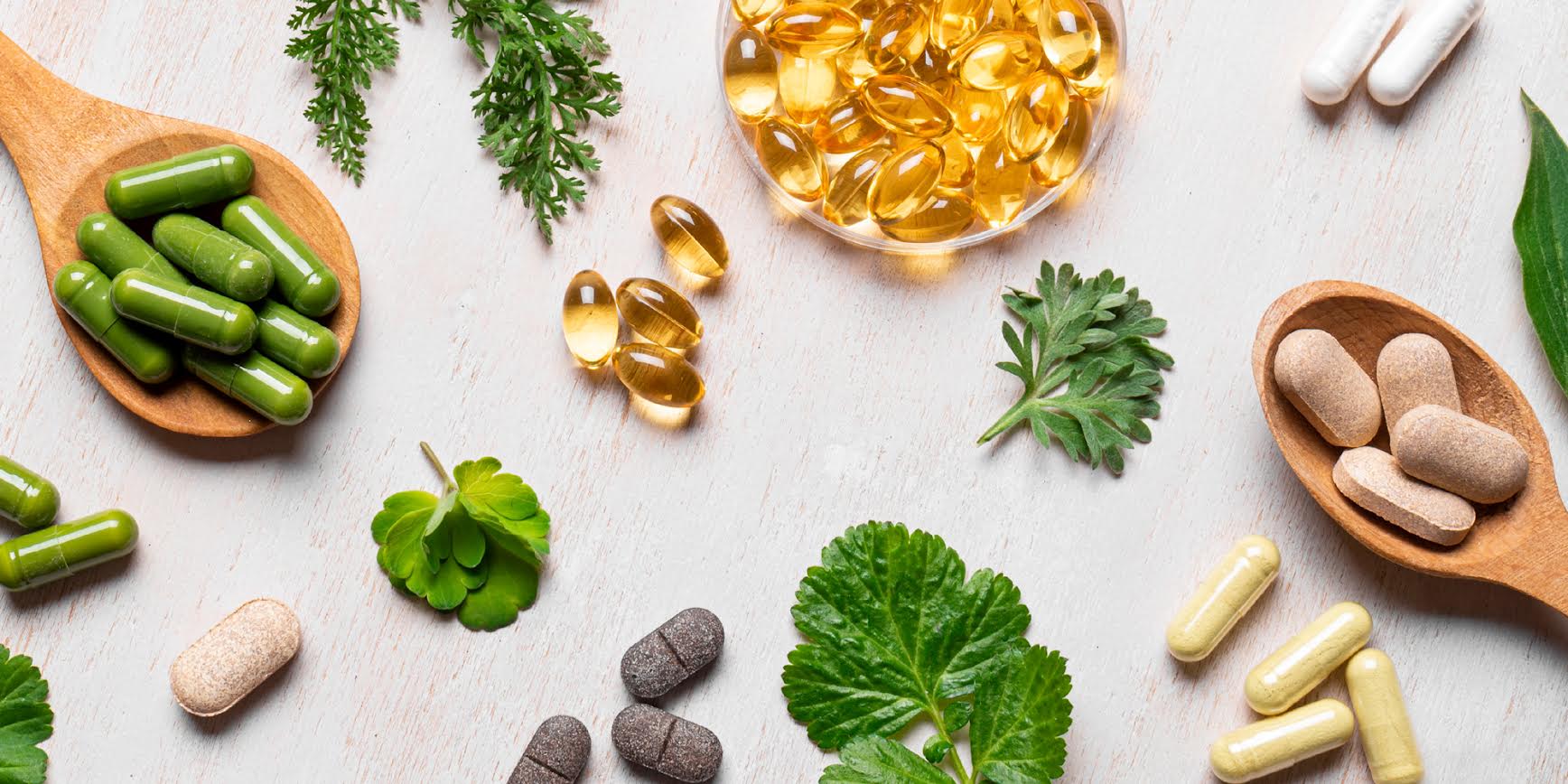
Which? analysed 26 menopause supplements sold in the UK and found more than 80 different active ingredients between them, with not a single ingredient common to all. The consumer group's conclusion, reported by Which? News writer Shefalee Loth, is that the evidence backing most of these products is thin, and that most people going through menopause do not need a menopause-branded supplement at all.
The report found many of the products are close relatives of an ordinary multivitamin, with a few botanical extracts added, often at doses too low to do much. Adding the word 'menopause' to the label, Which? found, tended to raise the price rather than the dose. Across the 26 supplements analysed, the daily cost ranged from 22p to £1.33, which works out to almost £500 a year at the top end for pills whose formulation may differ little from a standard multivitamin.
Black cohosh, isoflavones from soy and red clover, ashwagandha and St. John's Wort turned up repeatedly among the botanical ingredients, though never in every product. These are harder to study than isolated vitamins and minerals. Plant material varies from batch to batch, which makes it difficult to standardise potency, and that in turn makes clinical trials harder to replicate and harder to use as the basis for a confident recommendation on dose.
The 'natural' framing around botanical ingredients can also obscure genuine risk. Which? notes rare but documented cases of liver damage and toxicity linked to black cohosh and ashwagandha supplements, alongside more common side effects such as stomach upsets, headaches and dizziness. Some botanicals can interact with prescription medication, so anyone on regular medication should check with a pharmacist or GP before adding one.
The clearest evidence gap in the analysis concerns two unglamorous nutrients, calcium and vitamin D. Oestrogen helps the body absorb calcium and maintain bone density, and levels of it fall during perimenopause and menopause, leaving bone loss to outpace bone repair and raising the risk of fractures. Despite that, 20 of the 26 supplements Which? assessed left calcium out entirely, and among those that included it, some doses were as low as 60mg. Vitamin D, which the body needs in order to absorb calcium, was missing from six of the 26 products; where it was present, some doses fell as low as 1.5mcg, about 15% of the 10mcg the NHS recommends as a daily target.
Botanical ingredients suffered the same problem in miniature. Several supplements listed black cohosh, isoflavones or ashwagandha on the label at doses well below the amounts used in the studies that first suggested a benefit. Seeing a familiar ingredient name on the packaging is not the same as getting an amount of it that does anything measurable.
Gummy formats came in for particular criticism. Turning an active ingredient into something that tastes good typically means loading it with sugars, sweeteners and gelling agents, which leaves less room in each gummy for the ingredient itself. Which? points to Health & Her's Perimenopause Support gummies as an example: the recommended dose is six gummies a day, at a cost of around £1 daily, a format that pushes buyers toward higher sugar intake and a higher bill to reach an effective dose.
Rather than buying a combination menopause formula, Which? suggests focusing on calcium and vitamin D specifically, through diet or a dedicated single-nutrient supplement if intake is genuinely short. Fibre and protein matter too: the advice is to aim for around 30g of fibre a day from fruit, vegetables, legumes, nuts, seeds and wholegrains, since hormonal changes around menopause can disrupt digestion, and to target roughly 1.0 to 1.2g of protein per kilogram of body weight to help offset muscle loss.
Which? closes with a reminder that supplements are not the only route through menopause symptoms, and that a GP, ideally one with a specialism in women's health, can discuss options including hormone replacement therapy, a treatment with a substantially larger and more direct evidence base than most of what sits on a supplement shelf.
