"Dead Butt Syndrome" Is Trending Again. Here's What the Research Actually Shows
"Dead butt syndrome" describes a real muscle-inhibition process from sitting, but the name itself has almost no footing in peer-reviewed literature. Here is what the evidence actually supports, and what it does not.
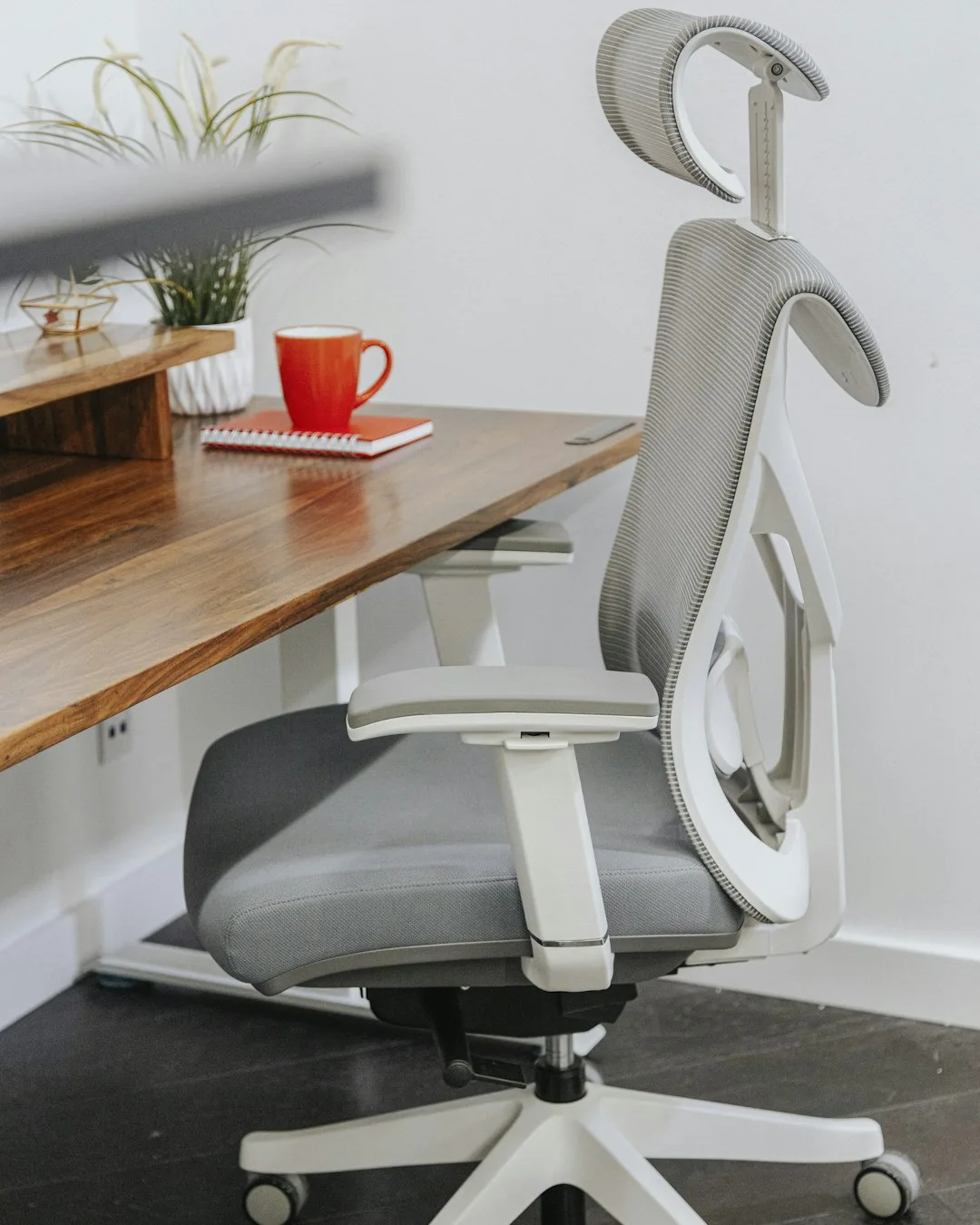
"Dead butt syndrome" has become a reliable headline, including the one that sent readers to Vogue España this month, but it is worth asking how much of it is actual medicine before trying any fix. The term, and its Spanish equivalents "síndrome del trasero muerto" or "amnesia glútea," describes a real physiological process: prolonged hip flexion, the position of sitting, can inhibit the gluteus medius and maximus so they fire less efficiently when you stand or walk. What it is not, so far, is a diagnosis with its own entry in orthopedic or physical therapy literature.
That gap between popular name and formal recognition is the first thing to grade. A physician who writes at qor360.com ran the phrase through Google Scholar and found roughly 100 mentions, all buried inside the text of papers on other subjects, none of them treating "dead butt syndrome" as the primary topic under study. His conclusion was blunt: the condition, as a named entity, is closer to a media construct than a clinical one. A sharper version of that skepticism comes from the physician behind drbarrydworkin.com, who has argued that pop-science labels like this one tend to appear "so we can promote our book and celebrity status," a pointed way of saying the branding often outruns the research.
That does not mean the underlying weakness is imaginary. The closest thing to an established clinical framework is decades older than the viral term: Vladimir Janda's "lower crossed syndrome," which describes tight hip flexors and lumbar erectors paired with weak abdominals and glutes, tilting the pelvis forward. Even here the evidence is thinner than the model's popularity suggests. Physical therapist Mike Reinold has pointed out that there is surprisingly little direct research testing whether tight hip flexors actually correlate with glute weakness, despite the pairing being taught routinely in PT clinics. The small trials that do exist on correcting the pattern, using postural retraining or targeted glute activation exercises, tend to involve single clinics and modest groups of 36 to 50 participants rather than the large, multi-site trials that would let anyone call this settled science.
Hospital systems treat the mechanism as real even while sidestepping the catchy name. Clinicians quoted by Erlanger Health System and the University of Miami Health System both describe seeing more patients with otherwise unexplained hip stiffness and weakness, and both trace it to the same gluteal inhibition process rather than disputing that something is happening in these patients' bodies. Their caution is about the label, not the biology.
The sedentary-office framing in most coverage also leaves out a population that physical therapists at Banner Health flag directly: runners and cyclists who put in serious mileage but skip strength and cross-training work can develop the same gluteal inhibition as someone chained to a desk. That detail complicates the tidy "just stand up more" advice, since the mechanism is as much about underuse of the muscle through a full range of motion as it is about hours logged in a chair.
For a rough threshold, Spanish-language outlets including La Nación and RT en Español have cited a rule of thumb attributed to a U.S. physical therapist: sitting continuously for more than two to three hours is enough to produce some degree of gluteal inhibition in most people, regardless of how much they exercise elsewhere in the day. That lines up with the Vogue piece's own observation that an hour at the gym does not cancel out the rest of a desk-bound day, though the two or three hour figure comes from a clinician's working estimate, not a controlled study with a measured cutoff.
If there is a genuinely well-evidenced takeaway buried in all this, it is closer to physiology than branding: muscles that stay in one shortened or lengthened position for hours lose some of their responsiveness, and the fix is movement, not a diagnosis. One tip passed along by a Mayo Clinic-affiliated specialist, reported in that same RT en Español coverage, is almost too simple to sound clinical: stand up every 30 to 50 minutes and physically tap or pat your own glutes, the idea being to send the brain a sensory signal that the muscle is still there and still needed.
Related
-
 Why Washing Your Hair Less Often Will Not Fix Dandruff
-
 The "84%" Menopause Statistic Is the Top of a Range, Not a Settled Number
-
 Tim Spector Says Exercise Doesn't Cause Weight Loss. The Study Behind That Claim Is Still Being Argued Over
-
 New Menopause Guidelines Give Hormone Therapy Its Strongest Endorsement Yet. The Fine Print Still Matters.
